Bill · S. 5506· Senate(119-S-5506)
National Talent Strategy Act of 2026
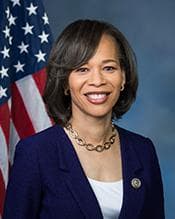
- Introduced
- 9/24/2026
- Last activity
- 9/24/2026 — Read twice and referred to the Committee on Health, Education, Labor, and Pensions.
- Sponsored by
- Lisa Blunt Rochester
- Cosponsors
- - 0 - 1
- Introduced
- In Committee
What this bill would do
The bill directs the Secretary of Labor to create the American Talent Working Group within 120 days of enactment. This group brings together various federal officials to align federal policy, funding, and data related to education and workforce development. Within one year, the Secretary of Labor and the working group must develop a comprehensive four-year Federal strategic talent plan. The bill requires regular reports and meetings with state, local, and industry leaders to address labor market needs. The working group and the strategic plan will expire after eight years unless reauthorized by Congress. Finally, the Comptroller General is required to evaluate the effectiveness of the working group and the strategic plan.
Yes· 3 of 17
Would veterans be better off under this, taking everything together?+4
The bill includes explicit provisions targeting transition assistance and civilian workforce reentry support for members of the Armed Forces and veterans.
Would business owners be better off under this?+3
Business owners and industry leaders are directly engaged to help identify workforce shortages and align talent development with employer needs.
Would union members be better off under this?+3
Labor union representatives are explicitly included in the development of the Federal strategic talent plan and ongoing consultations.
The opposite
No question was scored the opposite.
Who it would affect, and how
Potential Positive Impacts for People
-
Section 2(c)(5): This provision requires annual engagement with state and local government leaders, business owners, labor unions, education officials, and tribal leaders. This is positive because it ensures that everyday community leaders have a direct voice in discussing job development needs.
-
Section 3(c)(2)(G): This provision focuses on members of the Armed Forces transitioning to civilian employment, National Guard or Reserve members, and veterans reentering the civilian workforce. This is positive because it targets specific support for individuals who have served the country.
-
Section 3(c)(3)(G): This provision supports workers affected by automation or other disruptive impacts of artificial intelligence and emerging technologies through re-skilling, upskilling, and educational opportunities. This is positive because it helps workers adapt to changing job markets and keep their livelihoods.
Potential Negative Impacts for People
- The provided text does not contain any explicit sections or provisions that outline negative consequences or burdens for individuals or groups of people in the United States.
Groups and Interests Ranking
Every group the model scored this bill for, from -10 to +10. Hover a score for the reason it gave.
- Demographic And Interest Groups
- Good For Veterans+4Good For Business Owners+3Good For Union Workers+3Good For Low Income Households+2Good For Middle Aged+2Good For Middle Class Households+2Good For Rural Residents+2Good For Students+2Good For Young Adults+2
- Economy And Finance
- Increases Job Creation+3Improves Economic Growth+2Improves Small Business Support+2
- Governance And Ideology
- Improves Government Transparency+3Increase States Rights+2Increases Federal Power+2
- National Security And Foreign Policy
- Improves Veterans Benefits+3
- Environment Energy And Infrastructure
- Improves Rural Development+2
- 9/24/2026
- Read twice and referred to the Committee on Health, Education, Labor, and Pensions.
- 1 Cosponsor added.
- Introduced in Senate
 Ted Budd
Republican · North Carolina