 Bill · S. 5466· Senate(119-S-5466)
FASTER Act
- Introduced
- 9/23/2026
- Last activity
- 9/23/2026 — Read twice and referred to the Committee on Homeland Security and Governmental Affairs.
- Sponsored by
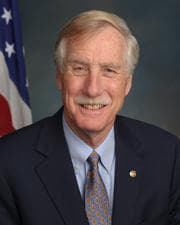
- Angus King
- Cosponsors
- None
- Introduced
- In Committee
What this bill would do
This bill creates a grant program managed by FEMA to give money to career, combination, and volunteer fire departments. The goal of these grants is to help fire departments prevent falls among older adults and respond faster to in-home emergencies. Fire departments can use the funds to install lock boxes for quicker emergency access, hire community paramedicine personnel, and put in smoke detectors. Funds can also pay for minor home modifications like grab bars, medication reviews, and safety education classes for seniors. The bill sets rules requiring local matching funds, though waivers are available for communities facing economic hardship. Finally, the program is temporary and will expire on September 30, 2036.
Yes· 3 of 9
Would people over 65 be better off under this?+6
The bill directly funds fall prevention programs, minor home modifications, and safety devices aimed at protecting adults aged 65 and over.
Would retired people be better off under this?+6
Retirees benefit substantially from reduced fall risks, smoke detector installations, and improved emergency medical response times at home.
Would households on low incomes be better off under this?+4
The bill provides economic hardship waivers and safety grants that assist lower-income older adults with critical home modifications they could otherwise not afford.
The opposite
No question was scored the opposite.
Who it would affect, and how
Potential Positive Impacts for People
-
Better home safety and fewer senior falls: Under Section 3(b)(1), fire departments can get direct grants to run programs that improve home safety and prevent falls for older adults, which directly helps protect seniors from serious injuries.
-
Quicker emergency response times: Under Section 3(d)(1), grant money can be used to buy and install devices like lock boxes on homes, which helps emergency responders get inside much faster during an emergency.
-
Help with physical home repairs: Under Section 3(d)(5), grants can pay for minor home modifications that reduce fall risks, such as installing handrails and grab bars, flattening rugs, and removing tripping hazards.
-
Health checks and safety education: Under Section 3(d)(6) and Section 3(d)(7), funds can pay for risk assessments, medication reconciliations, and referrals to classes that educate older adults on how to lower their risk of falling.
Potential Negative Impacts for People
-
Risks of losing grant funding for communities: Under Section 3(i), the FEMA Administrator has the power to suspend or revoke grants if a fire department is found not to be in compliance with the rules, which could pull away needed safety resources from a community.
-
Strict funding history rules for local governments: Under Section 3(e)(2), fire departments cannot get a grant if their local municipality's annual budget for fire and emergency programs has dropped below 80 percent of its average over the previous three years, potentially punishing communities that are already struggling financially unless they qualify for a waiver.
Groups and Interests Ranking
Every group the model scored this bill for, from -10 to +10. Hover a score for the reason it gave.
- Demographic And Interest Groups
- Good For Retirees+6Good For Seniors+6Good For Low Income Households+4Good For Rural Residents+4Good For Veterans+3
- Economy And Finance
- Increases Job Creation+3
- Healthcare
- Improves Healthcare Access+3
- Environment Energy And Infrastructure
- Improves Rural Development+2
- Governance And Ideology
- Improves Government Transparency+2
- 9/23/2026
- Read twice and referred to the Committee on Homeland Security and Governmental Affairs.
- Introduced in Senate
One bill Congress.gov lists as related to this one — companions in the other chamber, earlier versions, and bills this one absorbed or was folded into.