Bill · S. 5424· Senate(119-S-5424)
Community Health Worker Access Act
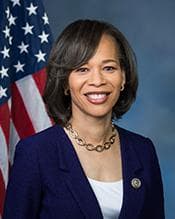
- Introduced
- 9/17/2026
- Last activity
- 9/17/2026 — Read twice and referred to the Committee on Finance.
- Sponsored by
- Lisa Blunt Rochester
- Cosponsors
- None
- Introduced
- In Committee
What this bill would do
This legislation is known as the Community Health Worker Access Act. It amends titles XVIII and XIX of the Social Security Act to increase access to community health workers. The bill provides Medicare Part B coverage for community health services starting on January 1, 2027. It also gives states a Medicaid option to support the community health workforce through state plan amendments. Additionally, the bill outlines specific requirements for community health agencies and services.
Yes· 3 of 31
Would people over 65 be better off under this?+7
The bill adds Medicare Part B coverage for community health services, waives the deductible, and covers 100 percent of approved costs.
Would households on low incomes be better off under this?+7
The legislation provides targeted support for low-income populations through Medicaid enhancements and addressing social determinants of health.
Does this make health care easier to get in general?+7
The legislation increases access to preventive care and social determinants of health services through Medicare and Medicaid options.
The opposite
No question was scored the opposite.
Who it would affect, and how
Potential Positive Impacts for People
-
Section 2 allows for Medicare Part B coverage of community health services furnished by a community health agency starting on January 1, 2027. This could benefit individuals by providing coverage for preventive services and services addressing social determinants of health.
-
Section 2 waives the application of the Medicare deductible with respect to community health services. This could make it easier and more affordable for individuals to access these specific health services without paying an upfront deductible.
-
Section 3 provides an increased Federal medical assistance percentage (FMAP) by 6 percentage points for States that choose to provide medical assistance for preventive services and services to address social determinants of health furnished by a community health worker, promotora, or community health representative. This could encourage states to expand these supportive health services for individuals.
Potential Negative Impacts for People
- The provided text does not explicitly outline any negative consequences, burdens, or negative impacts for individuals or groups of people in the United States.
Groups and Interests Ranking
Every group the model scored this bill for, from -10 to +10. Hover a score for the reason it gave.
- Demographic And Interest Groups
- Good For Low Income Households+7Good For Seniors+7Good For African Americans+6Good For Hispanic Americans+6Good For Immigrants+6Good For Native Americans+6Good For People With Disabilities+6Good For Retirees+6Good For Rural Residents+6Good For Asian Americans+5Good For Children+5Good For Women+5Good For Middle Aged+4Good For Urban Residents+4Good For Veterans+4Good For Young Adults+4Good For Farmers+3Good For Middle Class Households+3Good For Students+3
- Healthcare
- Improves Healthcare Access+7Increases Medicaid Funding+6Increases Medicare Funding+6Improves Opioid Crisis Response+5Improves Veterans Healthcare+4
- Social Issues And Justice
- Improves Racial Equity+6Improves Poverty Reduction+5
- Economy And Finance
- Increases Job Creation+5Improves Small Business Support+3Improves Economic Growth+2
- Environment Energy And Infrastructure
- Improves Rural Development+4
- Governance And Ideology
- Increase States Rights+4
- 9/17/2026
- Read twice and referred to the Committee on Finance.
- Introduced in Senate
One bill Congress.gov lists as related to this one — companions in the other chamber, earlier versions, and bills this one absorbed or was folded into.