Bill · S. 5296· Senate(119-S-5296)
Pathways to Health Careers Act
- Introduced
- 8/6/2026
- Last activity
- 8/6/2026 — Read twice and referred to the Committee on Finance.
- Sponsored by
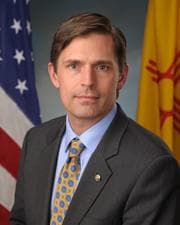
- Martin Heinrich
- Cosponsors
- - 7 - 0
- Introduced
- In Committee
What this bill would do
The Pathways to Health Careers Act aims to provide low-income individuals with opportunities to enter and follow career pathways in the health professions. This bill establishes a grant program to train people for roles such as nursing assistants, paramedics, and other health care occupations. It includes specific demonstration projects focused on individuals with arrest or conviction records and maternal mortality through pregnancy and postpartum services. To support participants, the bill mandates services like child care, transportation, and career coaching. The program also targets specific populations, including Indian tribes and those living in U.S. territories.
Yes· 3 of 17
Would households on low incomes be better off under this?+7
The bill is explicitly designed to provide career opportunities and financial support to low-income individuals.
Would Native Americans be better off under this?+7
The bill guarantees grants specifically for Indian tribes and tribal organizations.
Is this likely to create jobs?+6
The bill funds training for high-demand health professions to facilitate career entry and job placement.
The opposite
No question was scored the opposite.
Who it would affect, and how
Potential Positive Impacts for People
-
Career Advancement for Low-Income Individuals: The bill provides training for health professions that pay well or lead to well-sited occupations (Section 2(a)(1)).
-
Support for Individuals with Criminal Records: Demonstration projects are designed to help people with arrest or conviction records acquire credentials, licensing, and employment in high-demand health careers (Section 2(a)(3)(A)).
-
Maternal Health Support: A specific demonstration project focuses on providing education and training for careers in pregnancy, childbirth, and postpartum services (Section 2(c)(2)(B)(i)(II)).
-
Essential Support Services: The bill requires projects to provide or assist with child care, transportation, and case management to help participants succeed (Section 2(d)(2)).
-
Financial Assistance Options: Participants may receive benefits such as cash stipends, wage supplements, or emergency cash funds to assist with financial needs (Section 2(b)(5) and Section 2(d)(2)(B)).
-
Targeted Support for Specific Communities: The bill guarantees grants specifically for Indian populations and those in U.S. territories (Section 2(c)(1)(B) and Section 2(c)(1)(C)).
Potential Negative Impacts for People
-
Income Restrictions: Support is limited to "eligible individuals," defined as those whose family income does not exceed 200 percent of the Federal poverty level (Section 2(k)(5)).
-
Strict Employment Barriers: For certain demonstration projects, participants may need to navigate specific State policies or laws regarding how arrest or conviction records affect their ability to obtain credentials or licensure (Section 2(a)(3)(A)).
Groups and Interests Ranking
Every group the model scored this bill for, from -10 to +10. Hover a score for the reason it gave.
- Demographic And Interest Groups
- Good For Low Income Households+7Good For Native Americans+7Good For Students+5Good For Rural Residents+4Good For Women+4Good For Young Adults+3Good For Business Owners+2Good For Union Workers+2
- Social Issues And Justice
- Improves Childcare Affordability+5Improves Poverty Reduction+5Improves Racial Equity+4Improves Gender Equality+3
- Economy And Finance
- Increases Job Creation+6Improves Economic Growth+2
- Healthcare
- Improves Healthcare Access+5
- Education And Technology
- Improves College Affordability+3
- Environment Energy And Infrastructure
- Improves Rural Development+3
- 8/6/2026
- Read twice and referred to the Committee on Finance.
- 7 Cosponsors added.
- Introduced in Senate
One bill Congress.gov lists as related to this one — companions in the other chamber, earlier versions, and bills this one absorbed or was folded into.
 Michael Bennet
Democrat · Colorado
 Richard Blumenthal
Democrat · Connecticut
 Amy Klobuchar
Democrat · Minnesota
 Ben Luján
Democrat · New Mexico
 Christopher Murphy
Democrat · Connecticut
 Jeff Merkley
Democrat · Oregon
 Ron Wyden
Democrat · Oregon