Bill · S. 5295· Senate(119-S-5295)
NIH Mentorship Modernization Act
- Introduced
- 8/6/2026
- Last activity
- 8/6/2026 — Read twice and referred to the Committee on Health, Education, Labor, and Pensions.
- Sponsored by
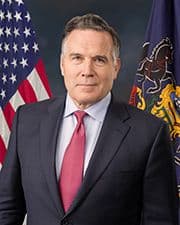
- David McCormick
- Cosponsors
- - 0 - 1
- Introduced
- In Committee
What this bill would do
The NIH Mentorship Modernization Act seeks to amend the Public Health Service Act. It directs the Secretary to establish minimum mentorship standards for entities receiving various research training awards from the National Institutes of Health. These standards include requirements for mentor-mentee engagement, professional development, and mentor qualifications. The Secretary is also tasked with encouraging the use of evidence-based mentorship practices. Additionally, the bill allows for supplemental funding to help institutions implement these new standards.
Yes· 3 of 5
Would students be better off under this?+6
The bill enhances the professional development and career guidance for research students and trainees.
Does this put more money into scientific research?+6
The bill enhances the structure of scientific research training through required mentorship standards.
Would people in their twenties and thirties be better off under this?+5
The bill specifically benefits early-career researchers through improved mentorship and career guidance.
The opposite
No question was scored the opposite.
Who it would affect, and how
Potential Positive Impacts for People
-
Improved Career Support: The bill establishes minimum expectations for regular engagement, professional development, and periodic assessments of research progress (Section 2(b)(1)). This could provide early-career researchers with more consistent guidance and better career trajectories.
-
Qualified Mentorship: By establishing minimum qualification requirements and competencies for mentors (Section 2(b)(1)(D)), the bill aims to ensure that researchers receive support from qualified individuals.
-
Access to Evidence-Based Resources: The Secretary is encouraged to disseminate resources such as individualized development plans and mentor training curricula (Section 2(c)(1)(A)). This can help institutions implement high-quality mentorship practices.
-
Institutional Assistance: The bill allows the Secretary to provide supplemental funding for mentor training, coordination, and other implementation expenses (Section 2(d)), which can help institutions meet the new requirements.
Potential Negative Impacts for People
-
Compliance Requirements: The Secretary must establish standards and procedures that entities must certify compliance with through annual reporting (Section 2(b)(2)). This creates a requirement for institutions to follow the new established standards.
-
Implementation Timing: The new standards and procedures only apply to awards made on or after two years after the date of enactment (Section 2(f)), meaning the benefits of these standards may not be immediate for those currently receiving awards.
Groups and Interests Ranking
Every group the model scored this bill for, from -10 to +10. Hover a score for the reason it gave.
- Demographic And Interest Groups
- Good For Students+6Good For Young Adults+5
- Education And Technology
- Increases Scientific Research Funding+6
- Healthcare
- Increases Research Funding+5
- Governance And Ideology
- Increases Federal Power+2
- 8/6/2026
- Read twice and referred to the Committee on Health, Education, Labor, and Pensions.
- 1 Cosponsor added.
- Introduced in Senate
 Christopher Coons
Democrat · Delaware