Bill · S. 5277· Senate(119-S-5277)
RANCH Act
- Introduced
- 8/6/2026
- Last activity
- 8/6/2026 — Read twice and referred to the Committee on Agriculture, Nutrition, and Forestry.
- Sponsored by
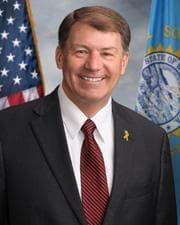
- Mike Rounds
- Cosponsors
- - 0 - 1
- Introduced
- In Committee
What this bill would do
The "Rebuilding America's National Cow Herd Act," or the "RANCH Act," establishes a ranchland program managed by the Secretary of Agriculture. This program allows owners or operators to enroll eligible cropland that will be restored to perennial grass and forb cover to support grazing. Contracts for this program last between 10 and 15 years and include specific requirements for grazing management and land restoration. Participants can engage in activities such as grazing, fire prevention, and emergency haying. The program provides annual rental payments, cost-sharing for land establishment, and various incentive payments. The Secretary will prioritize specific groups, such as beginning farmers or ranchers, and certain types of land.
Who it would affect, and how
Potential Positive Impacts for People
-
Financial Support for Land Restoration: Owners or operators can receive a cost-sharing payment covering 50 percent of the cost of establishing perennial grass and forb cover (Section 2(e)(2)).
-
Support for Beginning Farmers and Ranchers: The bill provides an incentive payment to beginning farmers or ranchers equal to 50 percent of the cost share provided for establishing cover (Section 2(e)(3)(B)). Additionally, the Secretary is directed to prioritize these individuals when entering contracts (Section 2(g)(1)).
-
Supplemental Income through Rental Payments: Participants can receive annual rental payments equal to 75 percent of the county average dryland cash rental rate for cropland (Section 2(e)(1)).
-
Additional Incentives for High-Quality Land Care: An incentive payment equal to 50 percent of the cost of using a high-quality diverse native seed mix is available (Section 2(e)(3)(A)).
-
Flexibility for Emergency Situations: The bill allows for emergency haying in response to localized or regional droughts, flooding, or wildfires (Section 2(d)(4)).
-
Technical Assistance: The Secretary is required to make technical assistance available to owners or operators for the entire duration of a contract (Section 2(h)).
Potential Negative Impacts for People
-
Annual Payment Cap: The total amount of payments a person or legal entity can receive per fiscal year is limited to $155,000 (Section 2(k)).
-
Mandatory Management Requirements: Participants must follow specific requirements, such as establishing a site-specific grazing management plan approved by the Secretary within two years of enrollment (Section 2(c)(2)).
-
Automatic Enrollment Consequences: Upon the expiration of a contract, land may be automatically enrolled in a different program under the Food Security Act of 1985; while an owner can opt out, doing so makes the land ineligible for re-enrollment under the RANCH Act (Section 2(i)).
-
Potential Delay in Enrollment: The Secretary has the authority to delay ranking periods for enrollment if available acreage is low or if commodity prices are elevated and a shortage is expected (Section 2(f)(1)(B)).
- 8/6/2026
- Read twice and referred to the Committee on Agriculture, Nutrition, and Forestry.
- 1 Cosponsor added.
- Introduced in Senate
 Amy Klobuchar
Democrat · Minnesota