Bill · S. 5239· Senate(119-S-5239)
American Glove Act of 2026
- Introduced
- 8/4/2026
- Last activity
- 8/4/2026 — Read twice and referred to the Committee on Homeland Security and Governmental Affairs.
- Sponsored by
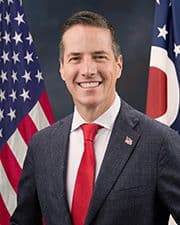
- Bernie Moreno
- Cosponsors
- None
- Introduced
- In Committee
What this bill would do
The American Glove Act of 2026 aims to ensure that federal procurements of nitrile gloves comply with the Make PPE in America Act. It requires covered agencies to source these gloves exclusively from qualified domestic manufacturers. These manufacturers must be majority-owned and controlled by United States persons and free from significant influence by foreign entities of concern. To support this, agencies must use supplier agreements that include binding purchase commitments for at least two years. The bill establishes strict ownership and control standards to protect the domestic supply chain.
Yes· 3 of 8
Does this make the country readier for the next outbreak?+6
The bill strengthens national stockpile security by ensuring a reliable domestic source of essential medical gloves.
Is this likely to create jobs?+5
The mandate for domestic manufacturing and long-term supplier agreements is intended to support and expand domestic production capacity.
Would business owners be better off under this?+5
Domestic manufacturers benefit significantly from mandated long-term purchase commitments and exclusive sourcing.
The opposite
Does this make trade with other countries easier?-2
The strict domestic sourcing and foreign ownership prohibitions could create trade tensions and restrict international trade partnerships.
Who it would affect, and how
Potential Positive Impacts for People
-
Support for Domestic Manufacturing: The Act requires the use of qualified domestic manufacturers who manufacture gloves in the United States (Section 3, subsection d). This requires the principal production processes, such as forming, dipping, and curing, to happen domestically (Section 2, subsection 6).
-
Economic Stability for Manufacturers: Supplier agreements must include a binding minimum purchase commitment or other enforceable demand commitment (Section 2, subsection 7). This is intended to support domestic production planning and investment (Section 2, subsection 7).
-
Enhanced National Security and Supply Chain Integrity: By prohibiting manufacturers that are owned or controlled by a foreign entity of concern, the bill seeks to reduce risks related to the supply chain and national security (Section 4, subsection a and b).
Potential Negative Impacts for People
-
Strict Ownership Restrictions: A manufacturer cannot qualify if they are subject to significant influence by a foreign entity through various means, such as joint ventures, financing arrangements, or even technology licensing arrangements (Section 4, subsection b).
-
Mandatory Long-term Commitments: The Act requires supplier agreements to have a term of not less than two years (Section 3, subsection c), which necessitates specific long-term planning and commitments from the entities involved.
Groups and Interests Ranking
Every group the model scored this bill for, from -10 to +10. Hover a score for the reason it gave.
- Economy And Finance
- Increases Job Creation+5Improves Economic Growth+3
- Healthcare
- Improves Pandemic Preparedness+6Improves Healthcare Access+2
- Demographic And Interest Groups
- Good For Business Owners+5
- Governance And Ideology
- Increases Federal Power+3Improves Government Transparency+2
- Environment Energy And Infrastructure
- Improves Disaster Relief And F E M A+4
- National Security And Foreign Policy
- Improves International Trade-2
- 8/4/2026
- Read twice and referred to the Committee on Homeland Security and Governmental Affairs.
- Introduced in Senate