Bill · S. 5148· Senate(119-S-5148)
BOASBERG Act
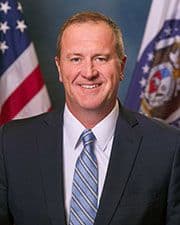
- Introduced
- 7/28/2026
- Last activity
- 7/28/2026 — Read twice and referred to the Committee on the Judiciary.
- Sponsored by
- Eric Schmitt
- Cosponsors
- - 2 - 0
- Introduced
- In Committee
What this bill would do
The BOASBERG Act aims to ensure that all case assignments in federal district and circuit courts are handled through a randomized process. It mandates that courts adopt rules so that no party, attorney, or judge can influence how cases are assigned to specific judges or panels. The bill establishes specific, limited exceptions for reassigning cases, such as when a judge must recuse themselves or for specific judicial efficiency needs. It also requires increased transparency through public disclosures and annual statistical reports. Furthermore, the act includes strict penalties for anyone attempting to manipulate the randomized system. Finally, it requires courts to implement these new randomized rules within 120 days of the act's enactment.
Yes
Does this make what the government does easier for the public to see?+7
The bill increases judicial transparency through mandatory public disclosure of assignment rules and annual statistical reporting.
Does this protect the right to fair treatment by the courts?+6
Randomized assignments promote judicial impartiality and prevent case shopping, which uph/olds due process.
Does this give the federal government more power?+5
The bill expands federal mandate over how all district and circuit courts must manage case assignments.
The opposite
No question was scored the opposite.
Who it would affect, and how
Potential Positive Impacts for People
-
Promoting Judicial Impartiality: By mandating random assignments, the bill seeks to prevent undue influence and promote public confidence in the fairness of the federal courts (Section 2).
-
Increased Transparency: The bill requires district and circuit courts to publicly disclose their assignment rules and issue public memorandums explaining why a case could not be randomly assigned or was reassigned (Section 3, Section 4).
-
Accountability through Statistical Reporting: Court clerks will be required to publish annual statistical reports regarding case assignments and reassignment rates, providing oversight on how cases are handled (Section 3, Section 4).
-
Prevention of System Manipulation: The act establishes consequences for those who attempt to evade the system, including sanctions for lawyers, misconduct processes for judges, and disciplinary action for court employees (Section 3, Section 4, Section 5).
Potential Negative Impacts for People
-
Restrictions on Judicial Discretion for Reassignment: Judges are limited in their ability to reassign cases, with exceptions being restricted to specific circumstances like recusal, judicial efficiency with chief judge consent, or Supreme Court intervention (Section 3, Section 4, Section 5).
-
Mandatory Case Acceptance: Judges, including those serving as emergency on-call judges, are prohibited from declining a case assignment once the random process has occurred (Section 3, Section 4).
-
Limited Disclosure of Emergency Staffing: To prevent people from trying to bypass the system, courts are prohibited from publicly disclosing the identity of the judges or panels that are on-call for emergencies (Section 3, Section 4).
Groups and Interests Ranking
Every group the model scored this bill for, from -10 to +10. Hover a score for the reason it gave.
- Governance And Ideology
- Improves Government Transparency+7Improves Due Process+6Increases Federal Power+5
- 9/28/2026
- 1 Cosponsor added.
- 8/7/2026
- 1 Cosponsor added.
- 7/28/2026
- Read twice and referred to the Committee on the Judiciary.
- Introduced in Senate
 Marsha Blackburn
Republican · Tennessee
 Ashley Moody
Republican · Florida