Bill · S. 5097· Senate(119-S-5097)
End H–1B Visa Abuse Act of 2026
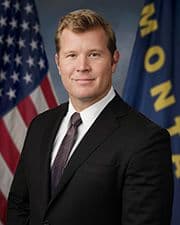
- Introduced
- 7/23/2026
- Last activity
- 7/23/2026 — Read twice and referred to the Committee on the Judiciary.
- Sponsored by
- Tim Sheehy
- Cosponsors
- - 2 - 0
- Introduced
- In Committee
What this bill would do
The End H-1B Visa Abuse Act of 2026 seeks to amend the Immigration and Nationality Act to significantly restrict H-1B visas. It begins by pausing the issuance of these visas for three years upon enactment. The bill implements strict new requirements, including a $200,000 annual wage floor and an additional $100,000 fee for employers. It also limits the number of visas available and reduces the maximum duration of stay. Furthermore, the Act prohibits certain types of employment, such as those involving federal agencies or third-party staffing. Finally, it limits the ability of nonimmigrants to adjust their status to permanent residence.
Yes
Does this raise the lowest wage an employer may pay?+8
The bill establishes a high $200,000 annual wage floor for H-1B visa holders.
Would households on low incomes be better off under this?+3
Increased wage floors for foreign workers may reduce downward pressure on domestic wages.
Does this tighten control of the border?+2
The bill tightens control over the entry and duration of stay for specific nonimmigrants.
The opposite· 3 of 9
Would immigrants be better off under this?-10
The bill restricts visa issuance, reduces stay duration, removes family rights, and blocks paths to permanent residency.
Does this make it easier for immigrants already here to become citizens?-9
The bill explicitly restricts the ability of nonimmigrants to adjust their status to permanent residence.
Would students be better off under this?-8
The bill prohibits employment authorization for foreign students under various programs.
Who it would affect, and how
Potential Positive Impacts for People
-
Increased Wage Standards: Employers would be required to offer wages of at least $200,000 per year for H-1B workers, as stated in Section 4(a)(1)(A)(i)(v).
-
Protection of Domestic Labor: The bill requires employers to attest that there are not sufficient qualified and available workers at the place of need and that employment will not adversely affect the wages or working conditions of U.S. workers (Section 4(a)(1)(A)(i)(ii) and (iii)).
-
Job Security Protections: Employers must attest that they have not laid off workers during the previous 12-month period and will not do so in the following 12-month period (Section 4(a)(1)(A)(i)(iv)).
-
Wage-Based Visa Allocation: The bill would move away from a lottery system to issuing visas in order of the highest wage levels being offered (Section 4(e)(3)(A)).
Potential Negative Impacts for People
-
Immediate Pause on Visas: No H-1B visas may be issued for a period of three years following the enactment of the Act (Section 2.
-
Reduced Duration of Stay: The maximum duration for the visa would be reduced from six years to three years (Section 4(d)(2)).
-
Significant Financial Burden for Employers: Employers must pay an additional $100,000 fee per petition (Section 4(c)(2)).
-
Restrictions on Family Members: The bill strikes the provision allowing the spouse and minor children of an H-1B alien to accompany or follow to join them (Section 3).
-
Prohibition of Foreign Student Employment: The Act prohibits employment authorization for foreign students currently under the Optional Practical Training program (Section 6).
-
Barriers to Permanent Residency: The bill makes nonimmigrants ineligible to adjust their status to permanent residence while residing in the United States, except under very specific conditions (Section 7(a)).
-
Limited Employment Options: The Act prohibits federal agencies from filing petitions for these visas or employing these nonimmigrants directly or through contracts (Section 5).
-
Ban on Certain Employment Structures: The bill prohibits concurrent employment and prevents third-party staffing agencies from sponsoring or facilitating recruitment for these workers (Section 4(f)(12) and (13)).
Groups and Interests Ranking
Every group the model scored this bill for, from -10 to +10. Hover a score for the reason it gave.
- Demographic And Interest Groups
- Good For Low Income Households+3Good For Immigrants-10Good For Students-8Good For Business Owners-7Good For High Income Households-2
- Social Issues And Justice
- Improves Border Security+2Improves Pathway To Citizenship-9Improves Poverty Reduction-2
- Education And Technology
- Improves Student Loan Relief-5
- Economy And Finance
- Increases Minimum Wage+8Improves Small Business Support-5Improves Economic Growth-4
- 7/29/2026
- 1 Cosponsor added.
- 7/23/2026
- Read twice and referred to the Committee on the Judiciary.
- 1 Cosponsor added.
- Introduced in Senate
 Mike Lee
Republican · Utah
 Bernie Moreno
Republican · Ohio