 Bill · S. 5026· Senate(119-S-5026)
Childhood Diabetes Reduction Act of 2026
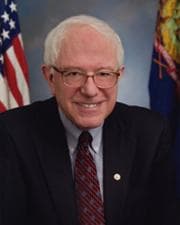
- Introduced
- 7/16/2026
- Last activity
- 7/28/2026 — Placed on Senate Legislative Calendar under General Orders. Calendar No. 531.
- Sponsored by
- Bernie Sanders
- Cosponsors
- None
- Introduced
- On Calendar
What this bill would do
This bill, titled the Childhood Diabetes Reduction Act of 2026, requires specific warning labels on the front of packaging for sugar-sweetened beverages, foods with high-intensity sweeteners, ultra-processed foods, and foods high in nutrients of concern like added sugar, saturated fat, or sodium. It bans the marketing and advertising of these labeled foods in a manner that reasonably appears to be directed at children under the age of 13. Additionally, the legislation expands National Institutes of Health research into nutrition science and health effects of ultra-processed foods. It updates public education campaigns through the Centers for Disease Control and Prevention regarding nutrition and physical activity. Finally, it grants the Federal Trade Commission the authority to enforce advertising restrictions and promulgate rules on children's advertising.
Yes· 3 of 11
Would children be better off under this?+8
The bill protects children under 13 from aggressive junk food marketing and promotes healthier dietary choices to combat childhood obesity and diabetes.
Does this put more money into scientific research?+8
The legislation provides significant dedicated funding to expand National Institutes of Health research into nutrition science.
Does this put more money into medical research?+8
The bill expands National Institutes of Health research programs regarding nutrition science and the health effects of ultra-processed foods.
The opposite
Would business owners be better off under this?-3
Imposes new regulatory compliance costs, labeling requirements, and advertising restrictions on food manufacturers and marketers.
Does this make it easier to run a small business?-2
The bill imposes new labeling and advertising compliance costs that may create regulatory burdens for food businesses.
Who it would affect, and how
Potential Positive Impacts for People
-
Health Warning Labels: Section 101 of the bill amends the Federal Food, Drug, and Cosmetic Act to require prominent front-of-package warning labels on sugar-sweetened beverages, high-intensity sweeteners, ultra-processed foods, and items high in nutrients of concern. This provides clear, straightforward information to help individuals and families make more informed dietary choices regarding health risks like obesity, type 2 diabetes, and tooth decay.
-
Protection from Junk Food Advertising: Section 202 makes it unlawful to market or advertise junk food using child-directed advertising, which includes the use of cartoon characters, social media influencers, or free toys that appeal to kids. This provision protects children under 13 from aggressive marketing strategies that promote unhealthy eating habits.
-
Expanded Nutrition Research: Section 102 expands and coordinates National Institutes of Health research programs regarding nutrition science, the health effects of ultra-processed foods, and food additives. This research helps build a better scientific foundation for improving public health and managing diet-related chronic diseases.
-
Public Education Campaigns: Section 103 supports a national public education campaign through the Centers for Disease Control and Prevention to teach adults, children, and caregivers how to read nutrient warning labels and understand the health risks of poor nutrition and physical inactivity. This outreach helps everyday people adopt healthier lifestyles.
Potential Negative Impacts for People
- Potential Restrictions and Burdens for Businesses: While not explicitly placing direct financial burdens on individual consumers, Section 101 and Section 202 place strict labeling and advertising constraints on food manufacturers, advertisers, and retailers. These regulatory changes could potentially lead to increased compliance costs for food producers, which might indirectly affect product availability or pricing for the public.
Groups and Interests Ranking
Every group the model scored this bill for, from -10 to +10. Hover a score for the reason it gave.
- Demographic And Interest Groups
- Good For Children+8Good For Middle Aged+3Good For Retirees+3Good For Seniors+3Good For Young Adults+3Good For Middle Class Households+2Good For Business Owners-3
- Governance And Ideology
- Improves Government Transparency+6Increases Federal Power+4
- Education And Technology
- Increases Scientific Research Funding+8
- Healthcare
- Increases Research Funding+8
- Economy And Finance
- Improves Consumer Protection+8Improves Small Business Support-2
- 7/28/2026
- Committee on Health, Education, Labor, and Pensions. Reported by Senator Cassidy with an amendment in the nature of a substitute. Without written report.
- Placed on Senate Legislative Calendar under General Orders. Calendar No. 531.
- 7/22/2026
- Committee on Health, Education, Labor, and Pensions. Ordered to be reported with an amendment in the nature of a substitute favorably.
- 7/16/2026
- Read twice and referred to the Committee on Health, Education, Labor, and Pensions.
- Introduced in Senate
3 bills Congress.gov lists as related to this one — companions in the other chamber, earlier versions, and bills this one absorbed or was folded into.