Bill · S. 4995· Senate(119-S-4995)
Agricultural Worker Justice Act of 2026
- Introduced
- 7/15/2026
- Last activity
- 7/15/2026 — Read twice and referred to the Committee on Health, Education, Labor, and Pensions.
- Sponsored by
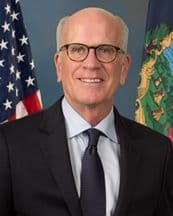
- Peter Welch
- Cosponsors
- - 3 - 0
- Introduced
- In Committee
What this bill would do
The Agricultural Worker Justice Act of 2026 aims to protect agricultural and meatpacking workers. It prevents the USDA from purchasing food produced by workers paid less than the local prevailing rate and bans stock buybacks for agricultural issuers receiving USDA funds. The bill establishes stricter safety standards for meat and poultry processing plants, including limits on line speeds and better access to bathrooms. It also regulates "no fault" attendance policies to protect legally protected leave. Additionally, it enhances OSHA's inspection powers and creates a private right of action for aggrieved workers. Finally, it mandates a GAO report on racial and ethnic disparities within the meat and poultry sector.
Yes· 3 of 21
Would households on low incomes be better off under this?+8
Directly benefits low-wage agricultural and meatpacking workers through higher wages and safety standards.
Would immigrants be better off under this?+7
Protects noncitizen workers from retaliation and prohibits reporting immigration status as a tool of intimidation.
Does this make what the government does easier for the public to see?+7
Requires public reporting of all USDA funding recipients and pandemic-related infection data.
The opposite· 3 of 6
Would business owners be better off under this?-6
Increases compliance costs, restricts stock buybacks, and introduces potential criminal penalties and lawsuits.
Would people with substantial wealth be better off under this?-4
Bans stock buybacks and dividends for agricultural issuers receiving USDA funds.
Would the very wealthiest people be better off under this?-4
Bans stock buybacks and dividends for agricultural issuers receiving USDA funds.
Who it would affect, and how
Potential Positive Impacts for People
- Increased Wages: The USDA cannot purchase meat, poultry, or processed food from workers paid less than the local prevailing rate for wages and fringe benefits (Section 102).
- Workplace Accountability: Entities contracting with the USDA must disclose labor law violations, and those with serious or repeated violations can be barred from receiving contracts (Section 104).
- Improved Worker Safety: The bill restricts the USDA from increasing line speeds at meat and poultry plants unless a certification is made that it will not adversely impact worker safety (Section 211).
- Protection of Leave: Employers using "no fault" attendance policies must explicitly state that employees will not be disciplined for using legally protected leave (Section 222).
- Health and Dignity: The bill requires employers at covered establishments to provide prompt, unpaid, and unpunished access to toilet facilities (Section 232).
- Medical Protections: New standards will require the immediate referral of injured employees to a medical professional of the employee's choice (Section 233).
- Legal Recourse: Individuals can now file lawsuits in federal court for failures to comply with the Occupational Safety and Health Act, allowing for the recovery of compensatory and punitive damages (Section 240).
Potential Negative Impacts for People
- Criminal Penalties for Businesses: Entities that knowingly fail to disclose required labor law violations can face criminal penalties (Section 104(f)).
- Burdens on School Food Authorities: School food authorities must now request waivers to purchase foreign commodities and are required to notify parents via email when such waivers are used (Section 105).
- Increased Employer Compliance Costs: Meat and poultry employers must implement ergonomic program management and medical management standards, which may require new training and equipment (Section 233).
- Business Ineligibility: Companies placed on the "List of Ineligible Entities" due to labor violations are barred from USDA contracts and inspections for up to five years (Section 104(d)).
Groups and Interests Ranking
Every group the model scored this bill for, from -10 to +10. Hover a score for the reason it gave.
- Demographic And Interest Groups
- Good For Low Income Households+8Good For Immigrants+7Good For African Americans+6Good For Hispanic Americans+6Good For People With Disabilities+6Good For Union Workers+6Good For Rural Residents+5Good For Women+5Good For Farmers+4Good For Business Owners-6Good For Billionaires-4Good For High Net Worth Individuals-4Good For Ultra High Net Worth Individuals-4
- Social Issues And Justice
- Improves Racial Equity+6Improves Disability Rights+5Improves Poverty Reduction+5Improves Gender Equality+4
- Governance And Ideology
- Improves Government Transparency+7Improves Due Process+6Increases Federal Power+5
- Healthcare
- Improves Pandemic Preparedness+7Improves Healthcare Access+5
- Economy And Finance
- Increases Minimum Wage+6Improves Union Protections+4Reduces Government Spending-2
- Environment Energy And Infrastructure
- Improves Rural Development+4
- National Security And Foreign Policy
- Improves International Trade-3
- 7/15/2026
- Read twice and referred to the Committee on Health, Education, Labor, and Pensions.
- 4 Cosponsors added.
- Introduced in Senate
2 bills Congress.gov lists as related to this one — companions in the other chamber, earlier versions, and bills this one absorbed or was folded into.
 Cory Booker
Democrat · New Jersey
 John Fetterman
Democrat · Pennsylvania
 Bernie Sanders
Independent · Vermont
 Ron Wyden
Democrat · Oregon