Bill · S. 497· Senate(119-S-497)
FENCE Act
- Introduced
- 2/10/2025
- Last activity
- 2/10/2025 — Read twice and referred to the Committee on Finance.
- Sponsored by
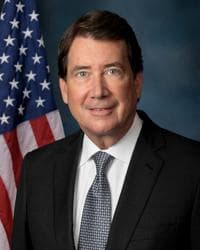
- Bill Hagerty
- Cosponsors
- None
- Introduced
- In Committee
What this bill would do
This bill, known as the "FENCE Act," seeks to amend the Internal Revenue Code of 1986. It specifically modifies the eligibility requirements for 501(c)(3) status. The change focuses on organizations that provide support to certain individuals. Specifically, it targets those that provide financial assistance, benefits, services, or material support to people known or reasonably suspected to be unlawfully present in the United States. The amendments would take effect upon the date the Act is enacted.
Yes
Does this tighten control of the border?+5
The bill aims to curb illegal migration by targeting organizations that support unlawfully present individuals.
Does this give the federal government more power?+4
The bill expands federal regulatory oversight of non-profit tax-exempt status based on immigration-related activities.
Does this protect the freedom to practise a religion?+3
The bill explicitly includes language to prevent the requirement from forcing religious organizations to act against their beliefs.
The opposite· 3 of 6
Would immigrants be better off under this?-6
The bill negatively impacts immigrants by potentially cutting off their access to financial and service support from non-profit organizations.
Would Hispanic Americans be better off under this?-5
The bill targets organizations that provide support to individuals who are likely to be part of the Hispanic community.
Does this make it easier for immigrants already here to become citizens?-5
The bill creates new barriers for those receiving support from non-profits that may include undocumented immigrants.
Who it would affect, and how
Potential Positive Impacts for People
-
Targeting Material Support: The bill adds a requirement that 501(c)(3) organizations must not engage in a pattern or practice of providing financial assistance, benefits, services, or other material support to individuals known or reasonably suspected to be unlawfully present in the United States (Section 2(a)(5)). This could benefit those who want to prevent organizations from supporting unlawful presence.
-
Protections for Religious Organizations: The bill explicitly states that the new requirements shall not be construed to require a religious organization to act in violation of its religious beliefs (Section 2(a)(5)). This protects religious groups from being forced to act against their faith due to these new rules.
Potential Negative Impacts for People
-
Burden on Non-Profit Eligibility: By adding a new condition to paragraph (3) of section 501(c), the bill modifies what qualifies an organization for 501(c)(3) status (Section 2(a)). This could impact the eligibility of organizations that provide services or benefits to individuals who may be unlawfully present.
-
Knowledge Standards: The bill uses a standard that applies to organizations that "knows or reasonably should know" that individuals are unlawfully present in the United States (Section 2(a)(5)). This could create a burden for organizations to monitor the status of those they assist.
Groups and Interests Ranking
Every group the model scored this bill for, from -10 to +10. Hover a score for the reason it gave.
- Demographic And Interest Groups
- Good For Immigrants-6Good For Hispanic Americans-5Good For Low Income Households-4
- Governance And Ideology
- Increases Federal Power+4
- Social Issues And Justice
- Improves Border Security+5Improves Religious Freedom+3Improves Pathway To Citizenship-5Improves Poverty Reduction-3Reduces Homelessness-2
- 2/10/2025
- Read twice and referred to the Committee on Finance.
- Introduced in Senate