Bill · S. 4851· Senate(119-S-4851)
SCALE Act of 2026
- Introduced
- 6/22/2026
- Last activity
- 6/22/2026 — Read twice and referred to the Committee on Agriculture, Nutrition, and Forestry.
- Sponsored by
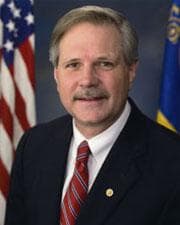
- John Hoeven
- Cosponsors
- None
- Introduced
- In Committee
What this bill would do
The SCALE Act of 2026 aims to amend the Food Security Act of 1985 to provide financial assistance for soil health and wildlife habitat. The bill directs the Secretary to provide grants to eligible States and Indian Tribes from fiscal years 2027 through 2031. These grants are intended to support programs that improve soil health and wildlife habitat on various types of agricultural land. Eligible entities must implement programs that meet specific performance measures. Grant amounts are capped at $10,000,000 per year, and the program includes requirements for matching funds and annual audits.
Yes· 3 of 9
Does this better protect air, water and wildlife?+7
The bill provides significant funding specifically to improve soil health and wildlife habitats on agricultural lands.
Would Native Americans be better off under this?+5
The bill explicitly empowers Indian Tribes to establish and manage their own soil health and wildlife habitat programs.
Would farmers be better off under this?+4
The bill provides resources for technical assistance, financial assistance, and research to improve agricultural land.
The opposite
Does this reduce what the federal government spends?-1
The bill allocates $50,000,000 annually for five years, which increases federal spending.
Who it would affect, and how
Potential Positive Impacts for People
-
Financial Assistance for Conservation Programs: Eligible States and Indian Tribes can receive grants to improve soil health and wildlife habitat on agricultural lands, which may include technical assistance, financial assistance, and education (Section 2(a)(4)).
-
Support for Agricultural Land: The bill provides support for various types of land, including cropland, grassland, rangeland, pasture land, and nonindustrial private forest land (Section 2(a)(1)).
-
Tribal Autonomy and Collaboration: Indian Tribes have the option to manage their own programs or choose to be incorporated into a State's application, allowing for local discretion (Section 2(c)(2)).
-
Flexibility for States: States that cannot provide full matching funds can still receive a proportional amount of Federal funds based on the amount they do commit (Section 2(d)(3)(B)).
Potential Negative Impacts for People
-
Financial Burden on States: To receive a grant, a State is generally required to provide matching funds in the form of cash or in-kind contributions equal to the amount of Federal funds provided (Section 2(d)(3)(A)).
-
Risk of Disqualification: If the Secretary finds that a State or Indian Tribe has failed to comply with the terms of the grant, that entity may be disqualified from receiving future grants for one or more years (Section 2(f)).
-
Administrative Burdens: Recipients of the grants are required to submit the results of an audit of the expenditures for each year they receive the grant (Section 2(e)).
Groups and Interests Ranking
Every group the model scored this bill for, from -10 to +10. Hover a score for the reason it gave.
- Demographic And Interest Groups
- Good For Native Americans+5Good For Farmers+4Good For Business Owners+3Good For Rural Residents+3
- Environment Energy And Infrastructure
- Improves Environmental Protections+7Improves Rural Development+3
- Governance And Ideology
- Increase States Rights+4
- Social Issues And Justice
- Improves Racial Equity+2
- Economy And Finance
- Increases Job Creation+2Reduces Government Spending-1
- 6/22/2026
- Read twice and referred to the Committee on Agriculture, Nutrition, and Forestry.
- Introduced in Senate