Bill · S. 4836· Senate(119-S-4836)
SNAP Staffing Flexibility Act of 2026
- Introduced
- 6/18/2026
- Last activity
- 6/18/2026 — Read twice and referred to the Committee on Agriculture, Nutrition, and Forestry.
- Sponsored by
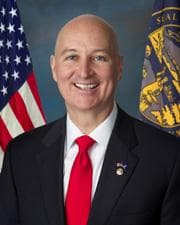
- Pete Ricketts
- Cosponsors
- None
- Introduced
- In Committee
What this bill would do
The SNAP Staffing Flexibility Act of 2026 amends the Food and Nutrition Act of 2008. It allows State agencies to hire contractors to help with SNAP certifications and other agency functions. This is permitted if there is an increase in applications or if the agency cannot process applications timely due to emergencies, seasonal cycles, staffing shortages, or natural disasters. The bill includes rules to prevent contractors from having financial interests in food stores and forbids incentives to delay or deny benefits. State agencies must notify the Secretary of such hiring, and the Secretary must provide an annual report to Congress.
Yes· 3 of 29
Would households on low incomes be better off under this?+7
Directly benefits low-income individuals by ensuring faster and more reliable access to SNAP benefits.
Is this likely to lift people out of poverty?+5
Reduces delays in SNAP benefit processing, ensuring low-income individuals receive food assistance faster.
Would children be better off under this?+4
Increases the likelihood of families with children receiving SNAP benefits in a timely manner.
The opposite
No question was scored the opposite.
Who it would affect, and how
Potential Positive Impacts for People
-
Faster Processing of Benefits: State agencies can hire contractors when they experience an increase in applications or cannot process them timely due to pandemics, health emergencies, seasonal cycles, staffing shortages, or natural disasters. This is found in Section 2, paragraph (2).
-
Protection Against Benefit Denials: The bill prohibits contracts that provide incentives to delay eligibility determinations or deny eligibility for people who are otherwise eligible for SNAP benefits. This is found in Section 2, paragraph (3)(A).
-
Prevention of Conflict of Interest: State agencies cannot hire contractors who have a direct or indirect financial interest in any approved wholesale food concern or retail store in the State. This is found in Section 2, paragraph (3)(B).
Potential Negative Impacts for People
- Use of Contractors Over Merit-Based Staff: While contractors cannot supplant existing merit-based personnel, the bill allows for a "blended government workforce" involving contractors to carry out agency functions. This is found in Section 2, paragraph (4)(C).
Groups and Interests Ranking
Every group the model scored this bill for, from -10 to +10. Hover a score for the reason it gave.
- Demographic And Interest Groups
- Good For Low Income Households+7Good For Children+4Good For Seniors+4Good For African Americans+3Good For Hispanic Americans+3Good For Middle Aged+3Good For Native Americans+3Good For People With Disabilities+3Good For Retirees+3Good For Rural Residents+3Good For Students+3Good For Urban Residents+3Good For Women+3Good For Young Adults+3Good For Asian Americans+2Good For Business Owners+2Good For Men+2Good For Veterans+2Good For White Americans+2Good For Union Workers+1
- Governance And Ideology
- Improves Due Process+3Improves Government Transparency+2Increase States Rights+2
- Social Issues And Justice
- Improves Poverty Reduction+5Reduces Homelessness+2
- Economy And Finance
- Increases Job Creation+2Improves Union Protections+1
- Environment Energy And Infrastructure
- Improves Disaster Relief And F E M A+3
- Healthcare
- Improves Pandemic Preparedness+3
- 6/18/2026
- Read twice and referred to the Committee on Agriculture, Nutrition, and Forestry.
- Introduced in Senate