Bill · S. 4832· Senate(119-S-4832)
SNAP Tribal Food Sovereignty Act of 2026
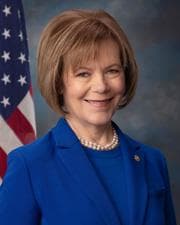
- Introduced
- 6/18/2026
- Last activity
- 6/18/2026 — Read twice and referred to the Committee on Indian Affairs.
- Sponsored by
- Tina Smith
- Cosponsors
- - 0 - 1
- Introduced
- In Committee
What this bill would do
The "SNAP Tribal Food Sovereignty Act of 2026" amends the Indian Self-Determination and Education Assistance Act. It allows the Secretary of Agriculture to create self-determination contracts with Indian Tribes and Tribal organizations. These contracts let Tribes plan, conduct, and administer any function or activity of the supplemental nutrition assistance program (SNAP). The contracts must follow the same terms, conditions, and regulations as existing self-determination contracts. Additionally, the Office of Self-Governance of the Bureau of Indian Affairs will provide technical assistance to the Secretary of Agriculture and requesting Tribes.
Yes· 3 of 12
Would Native Americans be better off under this?+9
Directly grants tribal sovereignty and control over food assistance programs.
Would households on low incomes be better off under this?+7
Optimizes the delivery of food assistance to low-income tribal members.
Is this likely to lift people out of poverty?+6
Increases the effectiveness of food assistance by allowing local tribal administration of SNAP.
The opposite
Does this give the federal government more power?-3
Decreases federal direct control by shifting administration to tribal governments.
Who it would affect, and how
Potential Positive Impacts for People
-
Tribal Administration of SNAP: Indian Tribes and Tribal organizations can request to plan, conduct, and administer SNAP functions, services, or activities for the Tribe (SEC. 2, subsection a). This allows Tribes to manage their own nutrition assistance programs.
-
Support Services: The Office of Self-Governance of the Bureau of Indian Affairs will provide technical assistance to the Secretary of Agriculture and any requesting Indian Tribes or Tribal organizations (SEC. 2, subsection c). This provides necessary guidance to ensure the programs are managed correctly.
Potential Negative Impacts for People
- No negative impacts for individuals or groups are explicitly mentioned in the provided text.
Groups and Interests Ranking
Every group the model scored this bill for, from -10 to +10. Hover a score for the reason it gave.
- Demographic And Interest Groups
- Good For Native Americans+9Good For Low Income Households+7Good For Rural Residents+5Good For Children+4Good For Seniors+4Good For Middle Aged+3Good For Young Adults+3Good For Farmers+2
- Social Issues And Justice
- Improves Poverty Reduction+6Improves Racial Equity+5
- Healthcare
- Improves Healthcare Access+4
- Environment Energy And Infrastructure
- Improves Rural Development+3
- Governance And Ideology
- Increases Federal Power-3
- 6/18/2026
- Read twice and referred to the Committee on Indian Affairs.
- 1 Cosponsor added.
- Introduced in Senate
4 bills Congress.gov lists as related to this one — companions in the other chamber, earlier versions, and bills this one absorbed or was folded into.
 Mike Rounds
Republican · South Dakota