Bill · S. 4816· Senate(119-S-4816)
Addressing SILO Act of 2026
- Introduced
- 6/17/2026
- Last activity
- 6/17/2026 — Read twice and referred to the Committee on Finance.
- Sponsored by
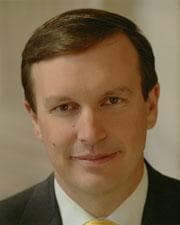
- Christopher Murphy
- Cosponsors
- - 1 - 0
- Introduced
- In Committee
What this bill would do
The Addressing SILO Act of 2026 amends the Social Security Act to provide grants and training for area agencies on aging and community-based organizations. These funds are intended to help address social isolation and loneliness among older individuals and adults with disabilities. The bill focuses on outreach, developing interventions, and connecting people to social and clinical supports. It also requires the Secretary to evaluate these programs and report to Congress every three years. Funding is appropriated at $62,500,000 per year from 2026 through 2030.
Yes· 3 of 12
Would people over 65 be better off under this?+9
Directly targets older individuals to mitigate loneliness and provide social and clinical connections.
Would people with disabilities be better off under this?+9
Explicitly provides funding for outreach and interventions for adults with disabilities.
Would retired people be better off under this?+9
Directly benefits retired older individuals through targeted loneliness interventions.
The opposite
Does this reduce what the federal government spends?-2
The bill allocates new federal funding for grants and training.
Does this reduce what the federal government owes?-1
The bill appropriates $62.5 million annually, which increases government spending.
Who it would affect, and how
Potential Positive Impacts for People
-
Outreach and Identification: The bill allows for conducting outreach to identify older individuals and adults with disabilities who are at risk for or experiencing loneliness and social isolation (Section 2(a)(1)).
-
Community Interventions: It supports the development of evidence-based programs and community-based interventions to promote social connection and prevent isolation (Section 2(a)(2)).
-
Access to Support: The bill aims to connect affected individuals with clinical supports and community social services (Section 2(a)(3)).
-
Improved Training: It establishes programs to improve training for organizations that address and prevent loneliness in these specific populations (Section 2(b)(1)).
-
Medical-Legal Coordination: The Secretary can prioritize training models that coordinate service delivery with medical-legal partnerships (Section 2(b)(2)).
Potential Negative Impacts for People
- No negative impacts for individuals or groups are explicitly mentioned in the provided text.
Groups and Interests Ranking
Every group the model scored this bill for, from -10 to +10. Hover a score for the reason it gave.
- Demographic And Interest Groups
- Good For People With Disabilities+9Good For Retirees+9Good For Seniors+9Good For Low Income Households+4Good For Middle Class Households+2
- Healthcare
- Improves Mental Health Access+6Improves Healthcare Access+5Increases Research Funding+3
- Social Issues And Justice
- Improves Disability Rights+7
- Governance And Ideology
- Improves Government Transparency+3Increases Federal Power+2
- Economy And Finance
- Increases Job Creation+2Reduces Government Spending-2Reduces National Debt-1
- 6/17/2026
- Read twice and referred to the Committee on Finance.
- 1 Cosponsor added.
- Introduced in Senate
One bill Congress.gov lists as related to this one — companions in the other chamber, earlier versions, and bills this one absorbed or was folded into.
 Kirsten Gillibrand
Democrat · New York