Bill · S. 4547· Senate(119-S-4547)
America First Citizenship and Allegiance Act
- Introduced
- 5/14/2026
- Last activity
- 5/14/2026 — Read twice and referred to the Committee on the Judiciary.
- Sponsored by
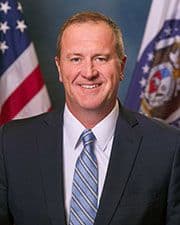
- Eric Schmitt
- Cosponsors
- None
- Introduced
- In Committee
What this bill would do
The "America First Citizenship and Allegiance Act" aims to amend the Immigration and Nationality Act to strengthen naturalization requirements. It increases the rigor of English language and civics examinations for applicants. The bill mandates instruction on the meaning of the oath of allegiance and requires applicants to certify their understanding. It establishes strict consequences for fraud, concealment, and false statements during the naturalization process. Additionally, it sets criminal penalties for naturalization fraud and establishes the "America 250 Citizenship Initiative."
Yes
Does this tighten control of the border?+3
The bill increases the integrity of the naturalization process by imposing strict penalties for fraud and concealment.
Does this make what the government does easier for the public to see?+2
The bill requires the Secretary to make study materials and annual reports regarding naturalization statistics publicly available.
The opposite· 3 of 5
Would immigrants be better off under this?-7
The bill imposes stricter English and civics exams, heightened penalties for mistakes, and potential removal priorities for applicants.
Does this make it easier for immigrants already here to become citizens?-6
The bill creates more difficult paths to citizenship through stricter English and civics testing requirements.
Would Hispanic Americans be better off under this?-3
Stricter naturalization requirements and penalties may impact various immigrant demographic groups.
Who it would affect, and how
Potential Positive Impacts for People
-
Enhanced Civic Knowledge: The bill strengthens requirements for understanding the history, principles, and structure of the United States government (Section 5).
-
Clarified Expectations: Applicants will receive specific instruction on the meaning of the oath of allegiance and the consequences of providing false information (Section 7).
-
Increased Integrity of the Process: By establishing consequences for fraud and concealment, the bill seeks to prevent individuals involved in terrorism, political violence, or criminal organizations from obtaining citizenship (Section 3 and Section 6).
-
Publicly Available Resources: The Secretary is required to make study materials, including descriptions of subjects tested and passing standards, available to the public (Section 5).
Potential Negative Impacts for People
-
Stricter Passing Standards: Applicants must now correctly answer at least 80 percent of questions during the examination (Section 5).
-
Increased Examination Rigor: The naturalization exam is expanded to include specific testing on topics like the Declaration of Independence, the Bill of Rights, and the separation of powers (Section 5).
-
Severe Penalties for Misconduct: Individuals who engage in fraud or concealment may face a permanent bar from naturalization if the conduct involves terrorism, espionage, or certain crimes (Section 8).
-
Criminal and Immigration Consequences: The bill introduces criminal penalties, including potential imprisonment, for those committing naturalization fraud and false statements (Section 10).
-
Mandatory Denials and Removal Priority: An alien denied naturalization due to fraud or concealment may be treated as a priority for removal if they are otherwise removable (Section 8).
Groups and Interests Ranking
Every group the model scored this bill for, from -10 to +10. Hover a score for the reason it gave.
- Demographic And Interest Groups
- Good For Immigrants-7Good For Hispanic Americans-3Good For Low Income Households-2
- Social Issues And Justice
- Improves Border Security+3Improves Pathway To Citizenship-6
- Governance And Ideology
- Improves Government Transparency+2
- National Security And Foreign Policy
- Improves Veterans Benefits-1
- 5/14/2026
- Read twice and referred to the Committee on the Judiciary.
- Introduced in Senate