 Bill · S. 4272· Senate(119-S-4272)
Home Team Act of 2026
- Introduced
- 3/26/2026
- Last activity
- 3/26/2026 — Read twice and referred to the Committee on Commerce, Science, and Transportation.
- Sponsored by
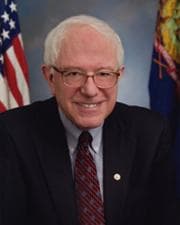
- Bernie Sanders
- Cosponsors
- - 0 - 2
- Introduced
- In Committee
What this bill would do
The "Home Team Act of 2026" aims to prevent professional sports franchises from leaving their home communities. It prohibits leagues from banning ownership by government entities or the general public. If an owner wants to move a franchise or eliminate it, they must first offer a fair opportunity to purchase the team to specific local entities. These priority groups include local governments, community cooperatives, nonprofits, or local private entities. To determine a fair price, the Secretary of the Treasury will use specialized appraisers. This bill seeks to mitigate the economic and cultural damage caused by franchise relocation.
Yes· 3 of 9
Is this likely to grow the economy?+2
By preventing franchise relocation, the bill helps maintain the local economic impact of professional sports teams.
Does this make it easier to run a small business?+2
The bill allows local private entities and consortia to participate in franchise ownership.
Would people in cities be better off under this?+2
The bill provides local governments and community entities with the opportunity to retain sports franchises within their metropolitan areas.
The opposite
No question was scored the opposite.
Who it would affect, and how
Potential Positive Impacts for People
-
Prevents Unwanted Relocations: The bill aims to stop owners from abandoning their home communities and fan bases (Section 2).
-
Protects Local Ownership Opportunities: It prohibits leagues from banning government entities or members of the general public from owning a franchise (Section 3(a)).
-
Provides Community Purchase Options: It creates a priority list for those who can attempt to buy a team to keep it local, including local governments, community cooperatives, and local nonprofits (Section 3(b)(2)).
-
Ensures Fair Pricing: The use of professionally trained appraisers from the Secretary of the Treasury helps ensure that the purchase price for a franchise is fair (Section 3(c)).
-
Adjusts Value Based on Public Support: The appraisal process deducts any government payments, credits, or subsidies used for stadium construction, which accounts for taxpayer contributions (Section 3(c)(2)).
-
Allows for Legal Recourse: Local governments or States have the right to bring civil actions for injunctive and monetary relief if the law is violated (Section 3(d)(2)).
Potential Negative Impacts for People
-
Financial Penalties for Owners: Franchise owners who violate these rules face a civil penalty of $30,000 for each day they are in violation (Section 3(d)(1)).
-
Mandatory Sale Requirements: Owners may be forced to accept an offer from a local entity if that offer meets the fair price determined by the government's appraisers (Section 3(b)(3)(C)).
Groups and Interests Ranking
Every group the model scored this bill for, from -10 to +10. Hover a score for the reason it gave.
- Economy And Finance
- Improves Economic Growth+2Improves Small Business Support+2Improves Union Protections+1
- Demographic And Interest Groups
- Good For Urban Residents+2Good For Low Income Households+1Good For Middle Class Households+1
- Governance And Ideology
- Improves Government Transparency+2Increase States Rights+2
- Social Issues And Justice
- Improves Affordable Housing+1
- 3/26/2026
- Read twice and referred to the Committee on Commerce, Science, and Transportation.
- 2 Cosponsors added.
- Introduced in Senate
One bill Congress.gov lists as related to this one — companions in the other chamber, earlier versions, and bills this one absorbed or was folded into.
 Richard Blumenthal
Democrat · Connecticut
 Christopher Murphy
Democrat · Connecticut