Bill · S. 4167· Senate(119-S-4167)
HBCU Research Capacity Act
- Introduced
- 3/24/2026
- Last activity
- 3/24/2026 — Read twice and referred to the Committee on Health, Education, Labor, and Pensions.
- Sponsored by
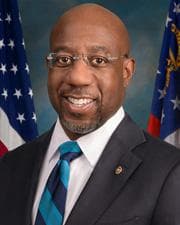
- Raphael Warnock
- Cosponsors
- - 2 - 3
- Introduced
- In Committee
What this bill would do
The HBCU Research Capacity Act aims to establish a Federal Clearinghouse on Grant Opportunities for Historically Black Colleges and Universities. This clearinghouse will serve as a primary resource to identify Federal grant opportunities that support research, development, and institutional capacity. The Secretary of Education will lead this effort in coordination with several other federal agencies. The goal is to address barriers such as knowledge gaps and transparency to improve access to research funding. Additionally, the Act requires regular notifications and reports to both institutions and Congress.
Yes· 3 of 9
Would Black Americans be better off under this?+5
The bill specifically targets increasing the research capacity and funding access for institutions that serve a high percentage of Black students.
Does this narrow racial gaps in how people are treated?+5
The bill works to reduce historical underfunding and knowledge gaps that affect Historically Black Colleges and Universities.
Does this put more money into scientific research?+4
The clearinghouse is designed to help institutions identify and access more federal research and development expenditures.
The opposite
Does this increase the pay, pensions or support veterans receive?-1
The bill's focus on institutional research capacity does not directly benefit veterans.
Who it would affect, and how
Potential Positive Impacts for People
-
Increased access to research funding: The Clearinghouse will provide comprehensive information on Federal grant opportunities for which institutions are eligible, specifically supporting research, development, and institutional capacity (Section 3, subsection a, paragraph 2).
-
Guidance on building capacity: The Clearinghouse will include best practices and recommendations to help institutions build research capacity and access Federal research funding (Section 3, subsection b).
-
Improved communication and updates: Institutions can choose to receive quarterly updates regarding the contents of the Clearinghouse (Section 4, subsection c, paragraph 1).
-
Enhanced accountability: The Act requires the Secretary of Education to provide an annual report to Congress regarding the contents of the Clearinghouse (Section 4, subsection b).
Potential Negative Impacts for People
- Exemption from paperwork and advisory oversight: The Paperwork Reduction Act and the Federal Advisory Committee Act will not apply to the rulemaking or information collection required for this section (Section 3, subsection a, paragraph 4).
Groups and Interests Ranking
Every group the model scored this bill for, from -10 to +10. Hover a score for the reason it gave.
- Demographic And Interest Groups
- Good For African Americans+5Good For Students+3Good For Low Income Households+2
- Education And Technology
- Increases Scientific Research Funding+4Increases Public School Funding+3
- Social Issues And Justice
- Improves Racial Equity+5
- Economy And Finance
- Improves Economic Growth+2Increases Job Creation+2
- Governance And Ideology
- Improves Government Transparency+3
- National Security And Foreign Policy
- Improves Veterans Benefits-1
- 6/17/2026
- 1 Cosponsor added.
- 6/3/2026
- 1 Cosponsor added.
- 4/14/2026
- 2 Cosponsors added.
- 3/24/2026
- Read twice and referred to the Committee on Health, Education, Labor, and Pensions.
- 1 Cosponsor added.
- Introduced in Senate
One bill Congress.gov lists as related to this one — companions in the other chamber, earlier versions, and bills this one absorbed or was folded into.
 Angela Alsobrooks
Democrat · Maryland
 Katie Britt
Republican · Alabama
 Christopher Coons
Democrat · Delaware
 Tim Scott
Republican · South Carolina
 Thomas Tillis
Republican · North Carolina