Bill · S. 4154· Senate(119-S-4154)
Research and Oversight of AI in Courts Act of 2026
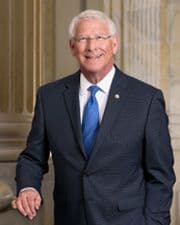
- Introduced
- 3/19/2026
- Last activity
- 3/19/2026 — Read twice and referred to the Committee on the Judiciary.
- Sponsored by
- Roger Wicker
- Cosponsors
- - 1 - 2
- Introduced
- In Committee
What this bill would do
The Research and Oversight of AI in Courts Act of 2026 creates a task force to study the use of AI speech-to-text and automatic speech recognition technology in U.S. courts. This task force will analyze the benefits and issues associated with these technologies, focusing on accuracy, privacy, and civil liberties. They are required to make recommendations for reforms to ensure Constitutional rights and accurate court records are protected. The task force will consist of 15 members and must submit a final report to Congress and the Attorney General within 18 months. Once the final report is submitted, the task force will terminate.
Yes· 3 of 18
Would people with disabilities be better off under this?+4
Explicitly investigates AI's impact on individuals with speech impediments.
Does this protect the right to fair treatment by the courts?+4
Seeks to protect the constitutional right to an accurate official court record.
Would immigrants be better off under this?+3
Protects those with foreign accents from having their words misrepresented by AI in court.
The opposite
No question was scored the opposite.
Who it would affect, and how
Potential Positive Impacts for People
-
Protection of Constitutional Rights: The task force is tasked with making recommendations for reforms to ensure AI technology does not infringe upon Constitutional rights, including the right to an accurate official court record (Section 2(c)(2)).
-
Safeguarding Individuals with Unique Speech: The final report must investigate if AI technology alters comments made by people with accents, dialects, unique speech patterns, or speech impediments (Section 2(e)(2)).
-
Financial Analysis for Litigants: The bill requires an assessment of whether these technologies will increase or decrease costs for people involved in lawsuits (Section 2(e)(3)).
-
Prevention of Conflicts of Interest: Non-federal members of the task force cannot be employed by or receive money from entities that sell or provide AI technologies (Section 2(d)(2)).
-
Privacy and Safety Guidance: The task force will examine if the judicial system should provide guidance on picking vendors to ensure the privacy and safety of people involved in the court system (Section 2(e)(11)).
Potential Negative Impacts for People
-
Cybersecurity Risks: The bill acknowledges potential cybersecurity risks associated with using AI speech-to-text and automatic speech recognition technology in the judicial system (Section 2(e)(4)).
-
Accuracy and Integrity Concerns: The task force must investigate if the use of this technology compromises the integrity or accuracy of court records (Section 2(e)(12)).
-
Data Integrity Risks: The bill requires an assessment of risks to the authenticity, preservation, and evidentiary value of court records when using AI to manage and store them (Section 2(e)(6)).
-
Potential Court Disruptions: The final report must determine if these technologies cause any disruptions during judicial proceedings (Section 2(e)(13)).
Groups and Interests Ranking
Every group the model scored this bill for, from -10 to +10. Hover a score for the reason it gave.
- Demographic And Interest Groups
- Good For People With Disabilities+4Good For Immigrants+3Good For African Americans+2Good For Asian Americans+2Good For Hispanic Americans+2Good For Low Income Households+2Good For Middle Class Households+2Good For Native Americans+2
- Governance And Ideology
- Improves Due Process+4Improves Government Transparency+3Improves Privacy Rights+3Increases Federal Power+1Reduces Lobbying+1
- Education And Technology
- Improves Data Privacy+3Increases Big Tech Regulation+2
- Social Issues And Justice
- Improves Disability Rights+3Improves Racial Equity+2
- National Security And Foreign Policy
- Improves Cybersecurity Defense+2
- 9/14/2026
- 1 Cosponsor added.
- 3/26/2026
- 1 Cosponsor added.
- 3/19/2026
- Read twice and referred to the Committee on the Judiciary.
- 1 Cosponsor added.
- Introduced in Senate
One bill Congress.gov lists as related to this one — companions in the other chamber, earlier versions, and bills this one absorbed or was folded into.
 Cindy Hyde-Smith
Republican · Mississippi
 Raphael Warnock
Democrat · Georgia
 Peter Welch
Democrat · Vermont