Bill · S. 4030· Senate(119-S-4030)
Supporting After-School STEM Educators Act
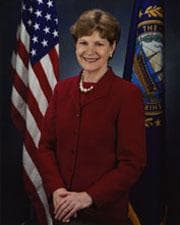
- Introduced
- 3/9/2026
- Last activity
- 3/9/2026 — Read twice and referred to the Committee on Health, Education, Labor, and Pensions.
- Sponsored by
- Jeanne Shaheen
- Cosponsors
- - 1 - 0
- Introduced
- In Committee
What this bill would do
This bill is called the Supporting After-School STEM Educators Act. It sets up a grant program run by the Secretary of Labor to help out-of-school time educators get professional development in science, technology, engineering, and math subjects. Under the bill, grants are awarded to intermediaries, which then give subgrants to nonprofit program providers. These subgrants help pay for educator training, staff time, substitute teachers, travel costs, and reporting requirements. The program also creates centralized databases and peer support networks for educators across states. Ultimately, the legislation aims to tackle staffing crises and improve STEM learning for students outside of regular school hours.
Yes· 3 of 26
Would children be better off under this?+6
Expands high-quality after-school and summer STEM learning opportunities for students.
Would students be better off under this?+6
Enhances the quality of out-of-school time instruction and student engagement in STEM subjects.
Would households on low incomes be better off under this?+5
Prioritizes program providers in communities with historical underinvestment and low socioeconomic circumstances.
The opposite
No question was scored the opposite.
Who it would affect, and how
Potential Positive Impacts for People
-
Professional Development Scholarships and Funding: Under Section 5(d)(1) and Section 5(e)(6)(A), grant and subgrant funds can be used to pay for professional development scholarships, staff time, substitute staffers, and travel costs for educators. This helps out-of-school time educators receive valuable training without bearing the personal financial burden.
-
Career Growth and Higher Wages: According to Section 5(e)(4)(B), program providers must ensure educators are supported in obtaining STEM credentials or certifications that hold labor market value, and use that training to increase their wages and follow pathways for professional growth. This directly benefits workers by helping them advance their careers and earn more money.
-
Support for Underserved and Rural Communities: Section 5(e)(5)(B) gives priority to program providers located in communities with historical underinvestment in STEM learning, areas with high percentages of students underrepresented in STEM fields, or rural areas. This provision helps ensure that resources reach people and regions that need them the most.
-
** Statewide Peer Support and Databases:** Under Section 5(f), intermediaries must use funds to establish centralized databases of professional development opportunities and facilitate peer-to-peer networks. This makes it easier for educators to connect with experts and find the training resources they need.
Potential Negative Impacts for People
-
Administrative Spending Limits: Section 5(e)(7) limits grant and subgrant recipients to using no more than 15 percent of their funds for administrative costs. While this keeps money focused on programs, it may place a tight financial squeeze on smaller organizations trying to manage the heavy reporting and operational requirements.
-
Burdensome Reporting Requirements: Section 5(e)(8) requires program providers to conduct annual and final evaluations, track complex indicators like percentage changes in student attendance and educator retention, and submit detailed reports to intermediaries. This creates significant administrative paperwork and tracking burdens for educators and program staff who are already facing staffing shortages.
Groups and Interests Ranking
Every group the model scored this bill for, from -10 to +10. Hover a score for the reason it gave.
- Demographic And Interest Groups
- Good For Children+6Good For Students+6Good For Low Income Households+5Good For Rural Residents+5Good For African Americans+4Good For Hispanic Americans+4Good For Native Americans+4Good For Women+4Good For Young Adults+4Good For Asian Americans+3Good For Middle Aged+3Good For Business Owners+2Good For Men+2Good For Middle Class Households+2Good For Urban Residents+2Good For White Americans+2
- Economy And Finance
- Increases Job Creation+4Improves Economic Growth+3Improves Small Business Support+2
- Social Issues And Justice
- Improves Racial Equity+4Improves Gender Equality+3Improves Poverty Reduction+2
- Education And Technology
- Increases Scientific Research Funding+5
- Governance And Ideology
- Improves Government Transparency+3Increases Federal Power+2
- Environment Energy And Infrastructure
- Improves Rural Development+4
- 3/10/2026
- 1 Cosponsor added.
- 3/9/2026
- Read twice and referred to the Committee on Health, Education, Labor, and Pensions.
- Introduced in Senate
 Angela Alsobrooks
Democrat · Maryland