Bill · S. 3957· Senate(119-S-3957)
NSF AI Education Act of 2026
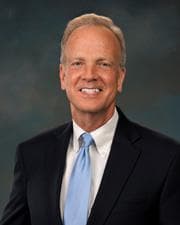
- Introduced
- 3/2/2026
- Last activity
- 3/2/2026 — Read twice and referred to the Committee on Commerce, Science, and Transportation.
- Sponsored by
- Jerry Moran
- Cosponsors
- - 0 - 1
- Introduced
- In Committee
What this bill would do
The NSF AI Education Act of 2026 aims to support National Science Foundation education and professional development regarding artificial intelligence. The bill authorizes various scholarships for undergraduate and graduate students in fields like AI, quantum hybrid computing, agriculture, and advanced manufacturing. It also establishes professional development fellowships and creates "Centers of AI Excellence" at community colleges and vocational schools. Additionally, the act provides grants for land-grant colleges and funds research on teaching models for K-12 students. Finally, it directs the development of workforce frameworks for critical and emerging technologies.
Who it would affect, and how
Potential Positive Impacts for People
-
Undergraduate and Graduate Scholarships: Students can receive merit- or need-based scholarships to cover tuition, fees, and stipends for studies in artificial intelligence, quantum hybrid computing, agriculture, and advanced manufacturing (Section 3 and Section 4).
-
Priority for Underserved Groups: Students attending rural-located institutions, rural-serving institutions, Tribal Colleges or Universities, and minority-serving institutions may receive preference for scholarships related to AI and agriculture (Section 3 and Section 4).
-
Professional Development: Professionals can access merit-based fellowships to gain skills in AI-related subjects, including prompt engineering and quantum hybrid computing (Section 5).
-
Support for Agriculture: Land-grant colleges and universities can receive grants for research, development, and the deployment of AI tools specifically for agricultural operations and decision-making (Section 6).
-
Quantum Industry Opportunities: Students can access fellowships and scholarships intended to increase post-graduation employment opportunities in the quantum industry (Section 7).
-
Increased Awareness: A nationwide outreach campaign will target students, teachers, and school leaders to increase awareness of AI and quantum education opportunities (Section 8).
-
Community College Advancement: The establishment of "Centers of AI Excellence" aims to provide hands-on research opportunities and identify pathways to employment for students (Section 9).
-
Improved K-12 Learning: Research awards are available to promote teaching models and materials for elementary and secondary school students, with a focus on low-income, rural, or Tribal populations (Section 10).
Potential Negative Impacts for People
-
Restrictions Based on Civil Rights Violations: Institutions, nonprofit research organizations, or governmental research organizations may be prohibited from receiving any funds or participating in programs if they have been found in violation of Title VI of the Civil Rights Act of 1964 due to discrimination based on shared ancestry or ethnic characteristics on or after January 1, 2020 (Section 18).
-
Gift Acceptance Restrictions: The National Science Foundation must establish strict criteria for accepting contributions to ensure they do not compromise integrity, which includes a prohibition on receiving funding from certain foreign entities or countries of concern (Section 14).
- 3/2/2026
- Read twice and referred to the Committee on Commerce, Science, and Transportation.
- 1 Cosponsor added.
- Introduced in Senate
One bill Congress.gov lists as related to this one — companions in the other chamber, earlier versions, and bills this one absorbed or was folded into.
 Maria Cantwell
Democrat · Washington