Bill · S. 3727· Senate(119-S-3727)
Putting an N to Learing about Fraud Act
- Introduced
- 1/29/2026
- Last activity
- 1/29/2026 — Read twice and referred to the Committee on Finance.
- Sponsored by
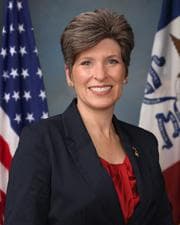
- Joni Ernst
- Cosponsors
- None
- Introduced
- In Committee
What this bill would do
The "Putting an N to Learing about Fraud Act" aims to combat fraud within various Federal programs. In the child care sector, it requires payments to be based on actual attendance rather than enrollment and mandates record-keeping for audits. For health care, it establishes triggers for monitoring Medicare, qualified health plans, Medicaid, and CHIP when there are massive increases in payments or providers within specific geographic areas. The bill also directs the Inspector General to audit these high-growth programs. Finally, it directs the Office of Management and Budget to ensure all agencies recover improper payments.
Yes· 3 of 6
Does this reduce what the federal government spends?+5
The bill aims to reduce waste by requiring agencies to recover improper payments and auditing high-growth healthcare programs.
Would households on low incomes be better off under this?+2
Strengthening the oversight of Medicaid and CHIP protects resources intended for low-income families.
Does this put more money into Medicaid, the health coverage for people on low incomes?+2
Enhanced oversight and monitoring of Medicaid payments may help ensure funds are used effectively to prevent fraud.
The opposite
No question was scored the opposite.
Who it would affect, and how
Potential Positive Impacts for People
-
Child Care Payment Integrity: Child care providers will be paid based on recorded attendance rather than just enrollment, and payments are to be made as reimbursement in a timely manner (Section 2).
-
Enhanced Oversight of Health Care: The Secretary of Health and Human Services, the Inspector General, and State agencies must monitor and report significant increases in Medicare, health plan, Medicaid, and CHIP payments or providers in specific zip codes or counties (Section 3).
-
Targeted Audits: The Inspector General of Health and Human Services will identify and audit programs or State plans where payments or providers increased by at least 400 percent over a 5-year period (Section 3).
-
Recovery of Funds: All agencies will follow guidance from the Office of Management and Budget to ensure that improper payments are recovered (Section 4).
Potential Negative Impacts for People
-
Administrative Burdens for Child Care Providers: Providers must now prepare and maintain a record of attendance and the provision of services for a period of 7 years, and these records must be made available for audits by the Secretary, the Attorney General, and the Comptroller General (Section 2).
-
Increased Reporting Requirements for Health Exchanges: Each American Health Benefit Exchange must annually collect and submit specific information to the Secretary of Health and Human Services to help determine if certain payment thresholds have been met (Section 3).
Groups and Interests Ranking
Every group the model scored this bill for, from -10 to +10. Hover a score for the reason it gave.
- Economy And Finance
- Reduces Government Spending+5
- Demographic And Interest Groups
- Good For Low Income Households+2Good For Children+1
- Healthcare
- Increases Medicaid Funding+2Improves Healthcare Access+1
- Social Issues And Justice
- Improves Childcare Affordability+1
- 1/29/2026
- Read twice and referred to the Committee on Finance.
- Introduced in Senate