Bill · S. 3661· Senate(119-S-3661)
PATH to Education Act
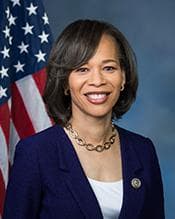
- Introduced
- 1/15/2026
- Last activity
- 1/15/2026 — Read twice and referred to the Committee on Banking, Housing, and Urban Affairs.
- Sponsored by
- Lisa Blunt Rochester
- Cosponsors
- - 0 - 1
- Introduced
- In Committee
What this bill would do
The PATH to Education Act aims to improve access to higher education and Head Start programs through public transit grants. It authorizes the Secretary to provide grants to public transportation providers that partner with various eligible institutions. These funds are intended to improve transportation connections for students and families. Eligible projects include adding new routes or stops and increasing the frequency of existing service. The bill provides specific set-aside funding amounts for fiscal years 2027 through 2031.
Yes· 3 of 13
Does this improve buses, trains and other public transport?+5
The bill provides dedicated funding to expand and improve public transit routes and service frequency.
Would students be better off under this?+4
The bill specifically aims to help students get to and from their classes through improved transit.
Would people in their twenties and thirties be better off under this?+3
The bill helps students better access their higher education classes.
The opposite
Does this reduce what the federal government spends?-1
The bill authorizes new federal grant spending through fiscal year 2031.
Who it would affect, and how
Potential Positive Impacts for People
-
Improved Transportation Access: The bill allows for adding bus or rail stops, routes, and paratransit services to connect campuses to surrounding areas or other cities (Section 2, paragraph (3)(A)).
-
Better Class Attendance: By increasing service frequency or adjusting route times, the bill helps students get to and from their classes (Section 2, paragraph (3)(B)(i)).
-
Support for Families: The provisions aim to help participants in center-based Head Start programs and their families get to and from those programs (Section 2, paragraph (3)(B)(ii)).
-
Targeted Assistance for High-Need Institutions: The Secretary will give priority to partnerships involving institutions where more than 25 percent of students receive a Federal Pell Grant (Section 2, paragraph (4)(B)).
Potential Negative Impacts for People
- No specific negative impacts or burdens are explicitly stated within the provided text.
Groups and Interests Ranking
Every group the model scored this bill for, from -10 to +10. Hover a score for the reason it gave.
- Demographic And Interest Groups
- Good For Students+4Good For Low Income Households+3Good For Rural Residents+3Good For Young Adults+3Good For Children+2Good For Hispanic Americans+2
- Environment Energy And Infrastructure
- Improves Public Transit+5Improves Rural Development+3
- Social Issues And Justice
- Improves Racial Equity+3Improves Childcare Affordability+2Improves Poverty Reduction+2
- Education And Technology
- Improves College Affordability+2
- Economy And Finance
- Increases Job Creation+2Reduces Government Spending-1
- 1/15/2026
- Read twice and referred to the Committee on Banking, Housing, and Urban Affairs.
- 1 Cosponsor added.
- Introduced in Senate
One bill Congress.gov lists as related to this one — companions in the other chamber, earlier versions, and bills this one absorbed or was folded into.
 David McCormick
Republican · Pennsylvania