Bill · S. 3651· Senate(119-S-3651)
Special Operator Protection Act of 2026
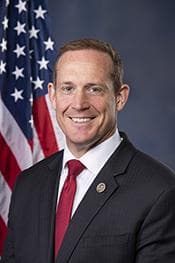
- Introduced
- 1/15/2026
- Last activity
- 1/15/2026 — Read twice and referred to the Committee on the Judiciary.
- Sponsored by
- Ted Budd
- Cosponsors
- - 0 - 1
- Introduced
- In Committee
What this bill would do
The Special Operator Protection Act of 2026 aims to amend title 18 of the United States Code to prohibit the doxing of specific individuals. It targets the act of making restricted personal information about covered persons or their immediate families publicly available with specific intents. Covered persons include members of special operations forces, certain Department of Defense employees, and specific Federal law enforcement officers. The law prohibits releasing such information to threaten, intimidate, or facilitate a crime of violence. Violators could face fines and prison sentences of up to five years. If the violation results in death or serious bodily injury, penalties can increase to life in prison.
Yes· 3 of 5
Does this protect people from being watched or searched?+8
The bill criminalizes the unauthorized release of sensitive personal information intended to threaten or intimidate individuals.
Does this give people more control over their personal data?+7
The bill restricts the public availability of sensitive personal data like social security numbers and biometric data for covered persons.
Would veterans be better off under this, taking everything together?+5
The bill provides safety and privacy protections for members of the special operations forces.
The opposite
Does this make what the government does easier for the public to see?-3
The bill restricts the public availability of certain information related to Department of Defense employees performing sensitive activities.
Who it would affect, and how
Potential Positive Impacts for People
-
Protection of personal privacy for military and law enforcement personnel: The bill protects "covered persons"—including special operations forces, specific Department of Defense employees, and attached Federal law enforcement officers—by restricting the public availability of sensitive data like home addresses, social security numbers, and biometric data (Section 2(a)(1) and 2(a)(4)).
-
Safety for families: The protections extend to the "immediate family" of the covered person, which could prevent targeting of their relatives (Section 2(a)(1) and 2(b)).
-
Deterrence of violence and intimidation: By criminalizing the release of information intended to "threaten, intimidate, or incite the commission of a crime of violence," the bill provides a legal mechanism to stop doxing used for these purposes (Section 2(b)(1) and 2(b)(2)).
Potential Negative Impacts for People
- No specific negative impacts are mentioned in the text provided.
Groups and Interests Ranking
Every group the model scored this bill for, from -10 to +10. Hover a score for the reason it gave.
- Education And Technology
- Improves Data Privacy+7
- Demographic And Interest Groups
- Good For Veterans+5
- Governance And Ideology
- Improves Privacy Rights+8Improves Government Transparency-3
- Social Issues And Justice
- Improves Policing Reform+5
- National Security And Foreign Policy
- Improves Veterans Benefits+4
- 1/15/2026
- Read twice and referred to the Committee on the Judiciary.
- 1 Cosponsor added.
- Introduced in Senate
One bill Congress.gov lists as related to this one — companions in the other chamber, earlier versions, and bills this one absorbed or was folded into.
 Jeanne Shaheen
Democrat · New Hampshire