Bill · S. 3205· Senate(119-S-3205)
Improving Veterans Access to Congressional Services Act of 2025
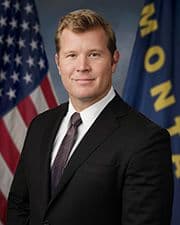
- Introduced
- 11/19/2025
- Last activity
- 11/19/2025 — Read twice and referred to the Committee on Veterans' Affairs.
- Sponsored by
- Tim Sheehy
- Cosponsors
- None
- Introduced
- In Committee
What this bill would do
This bill is known as the Improving Veterans Access to Congressional Services Act of 2025. It orders the Secretary of Veterans Affairs to let Members of Congress use Department of Veterans Affairs facilities to meet with their constituents. The Secretary and the Administrator of General Services must work together to find available spaces for this purpose. The bill requires the Secretary to set rules for this use within 90 days of the bill becoming law. These rules will cover rent costs, accessible locations, and clear boundaries on what activities are allowed.
Yes· 3 of 12
Would veterans be better off under this, taking everything together?+4
Veterans gain an added convenience of accessing congressional representative services directly within VA facilities while retaining protections for their medical privacy.
Does this help veterans get medical care?+3
The bill facilitates greater access for veterans to meet with their congressional representatives at VA facilities without disrupting medical operations or patient privacy.
Would people over 65 be better off under this?+2
Older constituents, particularly aging veterans, benefit from having accessible locations to meet with their members of Congress.
The opposite
Does this protect the individual right to speak freely?-1
Prohibitions against campaigning and discussing federal law changes within the designated meeting spaces place mild limits on expressive freedom.
Does this protect what people are allowed to say in public life?-1
The legislation places specific restrictions on political speech and discussions regarding changes to federal law within the designated VA meeting spaces.
Who it would affect, and how
Potential Positive Impacts for People
-
Better Access to Officials: Under Section 2(a)(1), Members of Congress can use Department of Veterans Affairs facilities to meet with constituents, which could make it easier for people to see their elected officials.
-
Clear Rules and Protections: Under Section 2(b)(2)(C), the rules must prohibit photographing or recording veteran patients, visitors, or employees without their consent, which helps protect personal privacy.
-
Preventing Interference: Under Section 2(b)(2)(E), a Member's use of the facility cannot unreasonably restrict access as long as there is unused space and it does not impede normal Department operations, ensuring veterans can still get their care without disruption.
Potential Negative Impacts for People
-
Restrictions on Political Speech: Under Section 2(b)(2)(C), Members are prohibited from making statements or actions that solicit, support, or oppose any change to Federal law or policy while using these spaces, which might limit what constituents can discuss with their officials during these meetings.
-
Blackout Periods Before Elections: Under Section 2(b)(2)(D), Members of Congress are not permitted to use these facilities during the 60-day period right before a Federal election, which could temporarily reduce accessible meeting locations for constituents right before voting happens.
Groups and Interests Ranking
Every group the model scored this bill for, from -10 to +10. Hover a score for the reason it gave.
- Demographic And Interest Groups
- Good For Veterans+4Good For Retirees+2Good For Seniors+2Good For People With Disabilities+1Good For Rural Residents+1
- Governance And Ideology
- Improves Government Transparency+2Improves Privacy Rights+2Increases Federal Power+1Improves Freedom Of Speech-1
- Healthcare
- Improves Veterans Healthcare+3Improves Healthcare Access+1
- Education And Technology
- Improves Data Privacy+2
- National Security And Foreign Policy
- Improves Veterans Benefits+2
- Social Issues And Justice
- Improves Freedom Of Speech-1
- 11/19/2025
- Read twice and referred to the Committee on Veterans' Affairs.
- Introduced in Senate
One bill Congress.gov lists as related to this one — companions in the other chamber, earlier versions, and bills this one absorbed or was folded into.