Bill · S. 3091· Senate(119-S-3091)
DISPOSAL Act
- Introduced
- 10/30/2025
- Last activity
- 10/30/2025 — Read twice and referred to the Committee on Environment and Public Works. (Sponsor introductory remarks on measure: CR S7851)
- Sponsored by
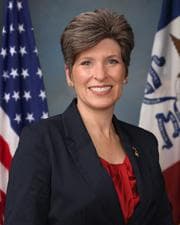
- Joni Ernst
- Cosponsors
- None
- Introduced
- In Committee
What this bill would do
This bill requires the Administrator of General Services to sell or ground lease specific federal buildings in Washington, DC. It explicitly bans selling or leasing these buildings to any foreign person, foreign entity, or any entity with a foreign beneficial owner. The bill also allows the Administrator to add up to 20 additional under-utilized federal buildings to the disposal list each calendar year. Any net proceeds left over after paying for implementation and relocations will go directly to the general fund of the Treasury to reduce the deficit. Finally, the authority granted under this act terminates on December 31, 2028.
Yes· 3 of 4
Does this reduce what the federal government owes?+2
Net proceeds from building sales after relocation costs are deposited into the Treasury to help reduce the federal deficit.
Does this reduce what the federal government spends?+1
Disposing of under-utilized federal buildings aims to streamline government real estate footprint.
Does this make the government pay for what it commits to?+1
Promotes fiscal responsibility by liquidating under-utilized government properties.
The opposite· 3 of 6
Does this make housing cost less?-2
Exempts property disposals from McKinney-Vento Act provisions, removing requirements to make unused properties available for homeless assistance.
Is this likely to reduce homelessness?-2
Removes assistance opportunities for individuals experiencing homelessness by exempting property sales from standard homeless utilization requirements.
Does this make what the government does easier for the public to see?-2
Precludes judicial review and exempts actions from standard administrative procedures and public oversight laws.
Who it would affect, and how
Potential Positive Impacts for People
-
Deficit Reduction: Under Section 2(c)(1)(B), any net proceeds from the sale or ground lease of these federal buildings that remain after covering implementation and relocation costs must be deposited into the general fund of the Treasury to help reduce the federal deficit, which can benefit the public by lowering national debt burdens.
-
Security and Domestic Control: Under Section 2(a)(5), the Administrator is strictly prohibited from selling or entering into a ground lease for any of these federal buildings with any foreign person, foreign entity, or any entity that has a foreign beneficial owner, keeping these properties out of foreign hands.
Potential Negative Impacts for People
-
Bypass of Environmental and Historic Safeguards: Under Section 2(a)(4), the disposal of these federal buildings is completely exempt from major laws including the National Environmental Policy Act and the National Historic Preservation Act, meaning historical structures and local environments will not receive the usual public reviews and protections normally required by law.
-
Removal of Assistance for the Homeless: Under Section 2(a)(4), the sale or lease of these properties is exempt from section 501 of the McKinney-Vento Homeless Assistance Act, which removes the standard requirement to make unused federal properties available to help individuals experiencing homelessness.
-
Denial of Court Oversight: Under Section 2(d), any actions taken by the Administrator to carry out these disposals are entirely exempt from judicial review, including under the Administrative Procedure Act, meaning citizens and groups cannot challenge these official actions in court.
Groups and Interests Ranking
Every group the model scored this bill for, from -10 to +10. Hover a score for the reason it gave.
- Economy And Finance
- Reduces National Debt+2Improves Fiscal Responsibility+1Reduces Government Spending+1
- Social Issues And Justice
- Improves Affordable Housing-2Reduces Homelessness-2
- Governance And Ideology
- Increases Federal Power+1Improves Due Process-2Improves Government Transparency-2
- Environment Energy And Infrastructure
- Improves Environmental Protections-2
- Demographic And Interest Groups
- Good For Low Income Households-1
- 10/30/2025
- Read twice and referred to the Committee on Environment and Public Works. (Sponsor introductory remarks on measure: CR S7851)
- Introduced in Senate
One bill Congress.gov lists as related to this one — companions in the other chamber, earlier versions, and bills this one absorbed or was folded into.