Bill · S. 30· Senate(119-S-30)
ERASER Act
- Introduced
- 1/8/2025
- Last activity
- 1/8/2025 — Read twice and referred to the Committee on Homeland Security and Governmental Affairs.
- Sponsored by
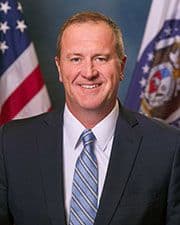
- Eric Schmitt
- Cosponsors
- - 2 - 0
- Introduced
- In Committee
What this bill would do
The "Expediting Reform And Stopping Excess Regulations Act," or the "ERASER Act," aims to change how agencies issue new regulations. Under this bill, an agency cannot issue a new rule unless it first repeals at least three existing rules that are related to the new one. For "major rules," the agency must also ensure the cost of the new rule is less than or equal to the cost of the rules being repealed. The Administrator of the Office of Information and Regulatory Affairs must certify these costs for major rules. Additionally, the Comptroller General is required to conduct studies every five years regarding the number of rules in effect and their total estimated economic cost.
Yes· 3 of 4
Does this leave more decisions to the states?+5
The bill restricts federal agency rulemaking that imposes costs on states, potentially preserving state authority.
Would business owners be better off under this?+5
The bill seeks to reduce the regulatory costs that often impact business operations.
Does this make it easier to run a small business?+4
By requiring the repeal of existing regulations before new ones are issued, the bill reduces the regulatory burden on businesses.
The opposite
Does this better protect air, water and wildlife?-6
The mandate to repeal existing rules before issuing new ones may hinder the creation of new environmental protections.
Does this give people more protection from unfair business practices?-5
The requirement to repeal three existing rules for every new one could prevent the implementation of new consumer protection regulations.
Who it would affect, and how
Potential Positive Impacts for People
-
Cost Control for Major Rules: For major rules, the agency must repeal rules such that the cost of the new rule is less than or equal to the cost of the repealed rules (Section 3(b)(1)(B)). This could ensure that new major regulations do not increase the economic burden compared to previous regulations.
-
Economic Oversight: The Comptroller General must conduct a study every five years to report on the number of rules in effect and the total estimated economic cost imposed by them (Section 4). This provides regular data on the economic impact of regulations.
Potential Negative Impacts for People
-
Restrictions on New Regulations: An agency may be prevented from issuing a new rule if it cannot find three related rules to repeal (Section 3(a)). This applies to any rule that imposes a cost or responsibility on a nongovernmental person, a State, or a local government (Section 3(e)(1)).
-
Strict Requirements for Major Rules: Agencies issuing major rules face the added burden of having the Administrator of the Office of Information and Regulatory Affairs certify that the new rule's cost is equal to or less than the cost of the repealed rules (Section 3(b)(1) and (2)).
Groups and Interests Ranking
Every group the model scored this bill for, from -10 to +10. Hover a score for the reason it gave.
- Governance And Ideology
- Increase States Rights+5Improves Government Transparency+3
- Environment Energy And Infrastructure
- Improves Environmental Protections-6
- Demographic And Interest Groups
- Good For Business Owners+5
- Economy And Finance
- Improves Small Business Support+4Improves Consumer Protection-5
- 1/16/2025
- 1 Cosponsor added.
- 1/8/2025
- Read twice and referred to the Committee on Homeland Security and Governmental Affairs.
- 1 Cosponsor added.
- Introduced in Senate
 Josh Hawley
Republican · Missouri
 Rick Scott
Republican · Florida