Bill · S. 2944· Senate(119-S-2944)
No Shame at School Act of 2025
- Introduced
- 9/30/2025
- Last activity
- 9/30/2025 — Read twice and referred to the Committee on Agriculture, Nutrition, and Forestry.
- Sponsored by
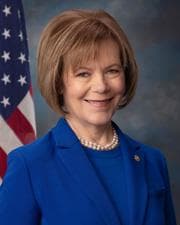
- Tina Smith
- Cosponsors
- None
- Introduced
- In Committee
What this bill would do
The "No Shame at School Act of 2025" aims to amend the Richard B. Russell National School Lunch Act. It changes certain discretionary certifications for students into mandatory requirements for local educational agencies. The bill also requires agencies to revise previous meal claims to reflect eligibility for the current school year. Additionally, it establishes rules to reduce the stigma associated with unpaid school meal fees. It prohibits the physical segregation or overt identification of children who owe fees or are eligible for free or reduced price meals. Finally, it restricts how schools can collect unpaid fees and handle meal service for these children.
Yes· 3 of 7
Would children be better off under this?+7
The bill protects children from social stigma, debt collection, and the withholding of educational opportunities due to unpaid meal fees.
Would students be better off under this?+7
The bill prevents the withholding of grades and extracurricular activities due to unpaid meal debt and removes social stigma from meal service.
Would households on low incomes be better off under this?+5
The bill protects low-income families from debt collectors and ensures children can access meal benefits more effectively.
The opposite
No question was scored the opposite.
Who it would affect, and how
Potential Positive Impacts for People
-
Mandatory Certification: Local educational agencies must now perform certain certifications that were previously discretionary, which may ensure more students receive benefits they are entitled to (Section 2(a)).
-
Retroactive Reimbursement: Schools must revise previously submitted meal claims to reflect a child's eligibility for free or reduced price meals starting from the first day of the current school year (Section 2(b)).
-
Reduction of Social Stigma: The bill prevents local educational agencies and school food authorities from physically segregating children, using special tokens or tickets, or making announcements/lists that identify a child's status (Section 2(c)(B)).
-
Protection of Educational Opportunities: Schools are prohibited from withholding grades, participation in extracurricular activities, or other programs/services due to unpaid meal fees (Section 2(c)(D)(ii)).
-
Communication Protections: Schools cannot direct communications about unpaid meal fees to the child rather than the household, and any sealed letters sent via a child must not be distributed in a way that causes stigma (Section 2(c)(D)(i) and (E)).
-
Meal Service Security: Once a meal has been served to a covered child, the school may not take the food away or dispose of it based on that child's status (Section 2(c)(F)).
Potential Negative Impacts for People
-
Mandatory Requirements for Schools: Local educational agencies are now required to perform certain certifications and revise meal claims that were previously discretionary (Section 2(a) and 2(b)).
-
Debt Collection Restrictions: Local educational agencies and school food authorities are prohibited from using debt collectors to collect unpaid school meal fees (Section 2(c)(D)(iii)).
Groups and Interests Ranking
Every group the model scored this bill for, from -10 to +10. Hover a score for the reason it gave.
- Demographic And Interest Groups
- Good For Children+7Good For Students+7Good For Low Income Households+5Good For African Americans+2Good For Hispanic Americans+2
- Social Issues And Justice
- Improves Poverty Reduction+4Improves Racial Equity+3
- 9/30/2025
- Read twice and referred to the Committee on Agriculture, Nutrition, and Forestry.
- Introduced in Senate