Bill · S. 2609· Senate(119-S-2609)
Financial Technology Protection Act of 2025
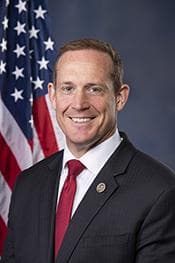
- Introduced
- 7/31/2025
- Last activity
- 7/31/2025 — Read twice and referred to the Committee on Banking, Housing, and Urban Affairs.
- Sponsored by
- Ted Budd
- Cosponsors
- - 1 - 1
- Introduced
- In Committee
What this bill would do
The Financial Technology Protection Act of 2025 establishes an Independent Financial Technology Working Group to combat terrorism and illicit financing. This group is led by the Secretary of the Treasury and includes senior representatives from various government agencies and appointed experts. The group's primary duties are to research the use of digital assets and emerging technologies for illicit purposes and to develop regulatory proposals to improve counter-financing efforts. Additionally, the President must submit a report describing how digital assets might be used to evade sanctions and a strategy to mitigate these risks. The Act includes a sunset provision for the Working Group after four years.
Yes· 3 of 5
Does this put more money into stopping terrorism?+3
The bill establishes a dedicated working group to research and combat the financing of terrorism.
Does this give people more protection from unfair business practices?+2
The bill aims to combat illicit financing and fraud through new regulatory proposals.
Does this put more money into scientific research?+2
The bill mandates research into the use of digital assets and emerging technologies for illicit purposes.
The opposite
Does this protect people from being watched or searched?-3
The mandate to develop new regulations for digital assets may increase government surveillance and impact privacy.
Would business owners be better off under this?-1
New regulatory proposals regarding digital assets may increase compliance burdens for financial technology companies.
Who it would affect, and how
Potential Positive Impacts for People
-
Enhanced Security through Research: The Working Group will conduct research on how digital assets and emerging technologies are used for terrorist and illicit activities, which can help improve safety (Section 2(b)(1)).
-
Improved Anti-Money Laundering Efforts: The group is tasked with developing legislative and regulatory proposals intended to improve counter-sancion, counter-terrorist, and counter-illicit financing efforts in the United States (Section 2(b)(2)).
-
Increased Transparency: The President is required to submit a report regarding the potential use of digital assets to evade sanctions, and the unclassified portion of this report must be made available to the public on a Treasury website (Section 3(a)(1) and 3(a)(2)).
Potential Negative Impacts for People
- Privacy and Civil Liberties Concerns: While the bill includes individuals focused on these areas as representatives, the mandate to develop new regulations and strategies to mitigate the use of digital assets and emerging technologies could impact how these technologies are used (Section 2(a)(3)(E) and Section 3(a)(1)).
Groups and Interests Ranking
Every group the model scored this bill for, from -10 to +10. Hover a score for the reason it gave.
- National Security And Foreign Policy
- Increases Counter Terrorism Funding+3Improves International Alliances+1
- Economy And Finance
- Improves Consumer Protection+2
- Education And Technology
- Increases Scientific Research Funding+2
- Demographic And Interest Groups
- Good For Business Owners-1
- Governance And Ideology
- Improves Government Transparency+2Improves Privacy Rights-3
- 7/31/2025
- Read twice and referred to the Committee on Banking, Housing, and Urban Affairs.
- 2 Cosponsors added.
- Introduced in Senate
One bill Congress.gov lists as related to this one — companions in the other chamber, earlier versions, and bills this one absorbed or was folded into.
 Kirsten Gillibrand
Democrat · New York
 Cynthia Lummis
Republican · Wyoming