Bill · S. 2400· Senate(119-S-2400)
Art Market Integrity Act
- Introduced
- 7/23/2025
- Last activity
- 7/23/2025 — Read twice and referred to the Committee on Banking, Housing, and Urban Affairs.
- Sponsored by
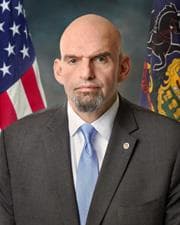
- John Fetterman
- Cosponsors
- - 2 - 3
- Introduced
- In Committee
What this bill would do
The "Art Market Integrity Act" (S. 2400) amends title 31 of the United States Code to include certain art traders under the provisions related to records and reports on monetary instrument transactions. It requires the Secretary of the Treasury to update guidance on high-value artwork transactions involving sanctioned individuals and issue rules to implement these changes. This aims to increase transparency in the art market and combat money laundering.
Yes
Does this make what the government does easier for the public to see?+6
Increases transparency in high-value art transactions to combat money laundering.
Does this give the federal government more power?+4
Expands federal oversight and reporting requirements for the art market.
The opposite· 3 of 7
Would the very wealthiest people be better off under this?-6
Increases government oversight of high-value asset movements often used by this group.
Would billionaires be better off under this?-6
Restricts the anonymity of high-value art acquisitions and sales.
Would people with substantial wealth be better off under this?-5
Directly impacts the privacy of luxury asset transactions.
Who it would affect, and how
Potential Positive Impacts for People
- The bill aims to combat money laundering through art transactions. By including art traders under provisions related to records and reports on monetary instrument transactions (Section 2(a)), it may help prevent illicit financial activities, which could indirectly benefit the public by reducing crime and corruption.
- The requirement for the Secretary of the Treasury to issue updated guidance regarding high-value artwork transactions involving sanctioned persons or entities (Section 2(b)) could help prevent sanctioned individuals or entities from using art to evade sanctions, further supporting national security efforts.
Potential Negative Impacts for People
- The bill could create additional compliance burdens for individuals and businesses involved in the art market. The new reporting requirements (Section 2(a)) may increase costs and administrative work for art dealers, advisors, consultants, custodians, galleries, auction houses, museums, and collectors.
- The bill may affect the privacy of individuals involved in art transactions, as it requires certain art traders to report transactions, potentially leading to increased government scrutiny of their financial activities.
Groups and Interests Ranking
Every group the model scored this bill for, from -10 to +10. Hover a score for the reason it gave.
- Demographic And Interest Groups
- Good For Billionaires-6Good For Ultra High Net Worth Individuals-6Good For High Net Worth Individuals-5Good For Business Owners-4Good For High Income Households-3
- Governance And Ideology
- Improves Government Transparency+6Increases Federal Power+4Improves Privacy Rights-5
- Economy And Finance
- Improves Small Business Support-3
- 7/23/2025
- Read twice and referred to the Committee on Banking, Housing, and Urban Affairs.
- 5 Cosponsors added.
- Introduced in Senate
 Bill Cassidy
Republican · Louisiana
 Chuck Grassley
Republican · Iowa
 Andy Kim
Democrat · New Jersey
 David McCormick
Republican · Pennsylvania
 Sheldon Whitehouse
Democrat · Rhode Island