Bill · S. 2361· Senate(119-S-2361)
Accelerating Home Building Act of 2025
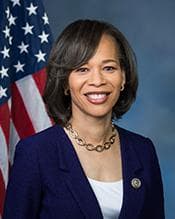
- Introduced
- 7/21/2025
- Last activity
- 7/21/2025 — Read twice and referred to the Committee on Banking, Housing, and Urban Affairs.
- Sponsored by
- Lisa Blunt Rochester
- Cosponsors
- - 0 - 1
- Introduced
- In Committee
What this bill would do
The "Accelerating Home Building Act of 2025" aims to address the housing supply crisis by providing grants to local governments and other eligible entities to establish and use pre-reviewed designs for mixed-income housing. The goal is to streamline the approval process for construction and increase the production of affordable housing. The bill authorizes appropriations of $15,000,000 for each fiscal year from 2027 through 2031 to carry out these grants.
Yes· 3 of 31
Does this make housing cost less?+6
Provides grants to establish pre-reviewed designs for mixed-income housing to directly tackle the housing supply crisis.
Would households on low incomes be better off under this?+5
Directly targets the creation of mixed-income housing for households earning up to 80 percent of area median income.
Would people in their twenties and thirties be better off under this?+4
Young adults forming new households face severe housing shortages and will benefit from increased affordable options.
The opposite
Is this likely to slow the rise in prices?-1
Authorizes $15 million annually in new federal appropriations for housing grants.
Who it would affect, and how
Potential Positive Impacts for People
-
Increased Affordable Housing (Sections 2, 3, and 4): By providing grants for pre-reviewed designs for mixed-income housing, the bill aims to increase the supply of affordable housing, addressing the housing shortage and reducing the number of cost-burdened households. "Affordable housing" is defined in Section 3 as housing costing no more than 30% of a household's monthly income for those earning not more than 80% of the area median income.
-
Streamlined Permitting Processes (Sections 2 and 4): The bill seeks to simplify and expedite the permitting process for developers through the use of pre-reviewed designs, potentially leading to faster and more predictable housing development. This could make new home construction more accessible.
-
Development in High Opportunity Areas (Section 4): The Secretary will consider the presence of high opportunity areas when reviewing grant applications, potentially leading to more affordable housing being built in areas with better access to jobs, schools, and services.
-
Support for Rural Areas (Section 4): The bill sets aside a minimum of 10 percent of grant funds for eligible entities located in rural areas, addressing the unique housing challenges in these communities.
Potential Negative Impacts for People
-
Repayment of Grant Funds (Section 4): If pre-reviewed designs are not approved within 5 years of receiving the grant (unless extended by the Secretary), the Secretary may require the eligible entity to return the grant funds. This could discourage some entities from applying or create pressure to approve designs quickly, potentially overlooking important local considerations.
-
Limited Scope (Section 3): The definition of "covered structure" limits the types of housing projects eligible for the program to low-rise and mid-rise structures with not more than 25 dwelling units. This might exclude larger, potentially more cost-effective housing developments from benefiting from the streamlined approval process.
-
Dependence on Local Implementation (Section 4): The success of the bill depends on how effectively local entities implement the pre-reviewed designs and reduce barriers to housing development. If local regulations and permitting processes remain complex, the impact of the grants could be limited.
Groups and Interests Ranking
Every group the model scored this bill for, from -10 to +10. Hover a score for the reason it gave.
- Demographic And Interest Groups
- Good For Low Income Households+5Good For Middle Class Households+4Good For Young Adults+4Good For Rural Residents+3Good For Urban Residents+3Good For Business Owners+2Good For Children+2Good For Middle Aged+2Good For Native Americans+2Good For Retirees+2Good For Seniors+2Good For African Americans+1Good For Hispanic Americans+1Good For Immigrants+1Good For People With Disabilities+1Good For Students+1Good For Union Workers+1Good For Veterans+1Good For Women+1
- Social Issues And Justice
- Improves Affordable Housing+6Improves Poverty Reduction+3Reduces Homelessness+2Improves Racial Equity+1
- Economy And Finance
- Increases Job Creation+3Improves Economic Growth+2Improves Small Business Support+2Reduces Inflation-1
- Environment Energy And Infrastructure
- Improves Rural Development+3Reduces Carbon Emissions+1
- Governance And Ideology
- Improves Government Transparency+2Increase States Rights+1Increases Federal Power+1
- 7/21/2025
- Read twice and referred to the Committee on Banking, Housing, and Urban Affairs.
- 1 Cosponsor added.
- Introduced in Senate
One bill Congress.gov lists as related to this one — companions in the other chamber, earlier versions, and bills this one absorbed or was folded into.
 Bernie Moreno
Republican · Ohio