Bill · S. 2278· Senate(119-S-2278)
Graham Hoffman Act
- Introduced
- 7/15/2025
- Last activity
- 7/15/2025 — Read twice and referred to the Committee on the Judiciary.
- Sponsored by
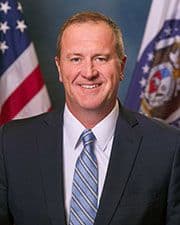
- Eric Schmitt
- Cosponsors
- - 6 - 1
- Introduced
- In Committee
What this bill would do
The Graham Hoffman Act aims to amend title 18 of the United States Code to punish criminal offenses that target first responders. It establishes new penalties for those who knowingly assault a first responder engaged in official duties, causing serious bodily injury or attempting to do so. Penalties include prison terms of up to 10 years, or life imprisonment if death, kidnapping, or attempted murder occurs. The bill defines specific circumstances that trigger these federal crimes, such as the use of weapons or interference with commerce. Additionally, it requires the Attorney General to certify certain conditions before the United States can undertake a prosecution.
Yes
Does this give the federal government more power?+6
The bill expands federal jurisdiction and prosecution authority over specific crimes.
Does this shorten or soften prison sentences?+5
The bill increases federal penalties for assaulting first responders.
The opposite
Does this leave more decisions to the states?-3
The bill allows federal intervention when state sentences are deemed insufficient.
Who it would affect, and how
Potential Positive Impacts for People
-
Increased penalties for violent assaults: Under Section 2(a), individuals who assault first responders causing serious bodily injury could face up to 10 years in prison, providing a stricter punishment for these acts.
-
Severe consequences for extreme violence: Section 2(a)(2) provides for life imprisonment if the assault results in death or includes kidnapping or attempted murder, which targets the most extreme criminal acts against responders.
-
Protection for specific groups: Section 2(d)(1) defines first responders to include firefighters, law enforcement officers, rescue squad or ambulance crew members, and certain paramedic ALS intercept service members, ensuring these specific groups are covered under the law.
Potential Negative Impacts for People
-
Federal prosecution requirements: Under Section 2(c)(1), the United States cannot prosecute these offenses unless the Attorney General or a designee provides a written certification, which includes instances where a State has requested federal jurisdiction or where a State sentence failed to vindicate federal interests in public safety.
-
Jurisdictional restrictions: Section 2(b) limits the scope of these crimes to specific circumstances, such as conduct occurring during travel across state lines, use of interstate commerce, or involving a Federal first responder.
Groups and Interests Ranking
Every group the model scored this bill for, from -10 to +10. Hover a score for the reason it gave.
- Social Issues And Justice
- Improves Criminal Sentencing Reform+5
- Governance And Ideology
- Increases Federal Power+6Increase States Rights-3
- 7/15/2025
- Read twice and referred to the Committee on the Judiciary.
- 7 Cosponsors added.
- Introduced in Senate
 Mike Crapo
Republican · Idaho
 Ted Cruz
Republican · Texas
 Bill Hagerty
Republican · Tennessee
 Maggie Hassan
Democrat · New Hampshire
 Josh Hawley
Republican · Missouri
 Ashley Moody
Republican · Florida
 James Risch
Republican · Idaho