Bill · S. 2175· Senate(119-S-2175)
Pilot and Aircraft Privacy Act
- Introduced
- 6/25/2025
- Last activity
- 6/25/2025 — Read twice and referred to the Committee on Commerce, Science, and Transportation.
- Sponsored by
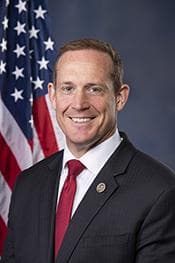
- Ted Budd
- Cosponsors
- - 3 - 0
- Introduced
- In Committee
What this bill would do
The Pilot and Aircraft Privacy Act establishes new requirements and limitations regarding the use of automatic dependent surveillance-broadcast (ADS-B) data. It prohibits any person or government agency from using this data to identify aircraft for the purpose of assessing or imposing fees or charges. Air traffic controllers are restricted to using this data for tracking aircraft to improve safety and efficiency, or for other purposes approved by the Secretary of Transportation. Additionally, the bill limits the use of ADS-B data in investigations by expanding restrictions to include all Federal, State, local, territorial, or Tribal officials. Finally, the act requires airport owners to disclose specific information before imposing landing or take-off fees on general aviation aircraft and restricts those funds to airside safety projects.
Yes· 3 of 5
Does this protect people from being watched or searched?+7
The act significantly strengthens privacy rights for pilots by limiting the use of tracking data for identification and investigation.
Does this give people more control over their personal data?+6
The bill enhances aviation-related privacy by restricting how ADS-B data can be used to identify and charge aircraft owners.
Does this make what the government does easier for the public to see?+5
The bill increases transparency by requiring airport owners to disclose information before imposing fees on general aviation aircraft.
The opposite
Does this give the government more power to monitor people inside the country?-3
The bill reduces potential surveillance by limiting the use of ADS-B data for tracking and investigation purposes.
Who it would affect, and how
Potential Positive Impacts for People
-
Protection of Privacy and Financial Security: No person or government agency can use ADS-B data to identify an aircraft to charge the owner or operator a fee (Section 2(a)).
-
Safety and Efficiency in Air Traffic: Air traffic controllers can use ADS-B data to assist in tracking aircraft and improving air traffic safety and efficiency (Section 2(b)(1)).
-
Increased Transparency for Aviation Fees: Before imposing landing or take-off fees on general aviation aircraft, airport owners must disclose efforts to reduce expenses, efforts to find other revenue sources, total cost estimates for safety projects, and the impact of fees on local pilots and businesses (Section 4(a)).
-
Targeted Use of Aviation Funds: Revenues collected from fees imposed on general aviation aircraft are restricted to being used only for airside safety projects (Section 4(b)).
-
Expanded Investigation Restrictions: The bill prevents the Administrator of the FAA and all other Federal, State, local, territorial, or Tribal officials from using certain data in investigations (Section 3).
Potential Negative Impacts for People
- Restricted Use of Data: Air traffic controllers are limited in their use of ADS-B data to specific safety, efficiency, or Secretary-approved purposes (Section 2(b)).
Groups and Interests Ranking
Every group the model scored this bill for, from -10 to +10. Hover a score for the reason it gave.
- Governance And Ideology
- Improves Privacy Rights+7Improves Government Transparency+5
- Education And Technology
- Improves Data Privacy+6
- Demographic And Interest Groups
- Good For Business Owners+4
- Economy And Finance
- Improves Small Business Support+3
- National Security And Foreign Policy
- Increases Domestic Surveillance-3
- 3/9/2026
- 1 Cosponsor added.
- 6/25/2025
- Read twice and referred to the Committee on Commerce, Science, and Transportation.
- 2 Cosponsors added.
- Introduced in Senate
 Mike Rounds
Republican · South Dakota
 Dan Sullivan
Republican · Alaska
 Tim Sheehy
Republican · Montana