Bill · S. 1996· Senate(119-S-1996)
Medicare Audiology Access Improvement Act of 2025
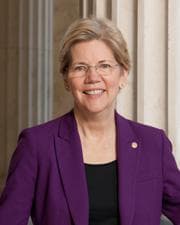
- Introduced
- 6/9/2025
- Last activity
- 6/9/2025 — Read twice and referred to the Committee on Finance.
- Sponsored by
- Elizabeth Warren
- Cosponsors
- - 7 - 3
- Introduced
- In Committee
What this bill would do
The Medicare Audiology Access Improvement Act of 2025 seeks to amend the Social Security Act to improve coverage for audiology services under Medicare. It expands the definition of services to include hearing and balance assessments, as well as treatment services starting January 1, 2027. The bill allows qualified audiologists to provide these services without requiring a physician's referral or supervision. It also establishes specific payment amounts and coinsurance rules for these services. Additionally, the bill includes qualified audiologists as practitioners in certain settings. These changes are set to take effect for services furnished on or after January 1, 2027.
Yes· 3 of 4
Would people over 65 be better off under this?+8
The bill specifically expands Medicare coverage, which primarily benefits the senior population.
Would retired people be better off under this?+8
The bill provides enhanced Medicare coverage for audiology services, directly benefiting retirees.
Does this make health care easier to get in general?+7
The bill improves access to audiology services by allowing audiologists to practice without physician referrals or supervision.
The opposite
No question was scored the opposite.
Who it would affect, and how
Potential Positive Impacts for People
-
Increased Autonomy for Audiology Services: Under Section 2(b), qualified audiologists can provide hearing and balance assessment services, and starting January 1, 2027, treatment services, without needing a referral from or supervision by a physician. This could allow people to access care more directly.
-
Specific Payment Structure: Section 2(c) establishes that Medicare will pay 80 percent of the lesser of the actual charge or the fee schedule amount for audiology services, providing a clear framework for how these services are compensated.
-
Expanded Practitioner Roles: Section 2(e) includes qualified audiologists as practitioners in specific settings, which may increase the availability of services in those locations.
Potential Negative Impacts for People
-
Delayed Implementation of Treatment Services: According to Section 2(b) and Section 2(g), certain treatment services and the overall amendments do not take effect until January 1, 2027, meaning the full benefits of this bill would not be available to people immediately.
-
Limits on Service Expansion: Section 2(f) states that nothing in the act should be construed to expand the scope of audiology services or payments to other providers beyond what was available as of December 31, 2026.
Groups and Interests Ranking
Every group the model scored this bill for, from -10 to +10. Hover a score for the reason it gave.
- Demographic And Interest Groups
- Good For Retirees+8Good For Seniors+8
- Healthcare
- Improves Healthcare Access+7Increases Medicare Funding+5
- 6/16/2026
- 1 Cosponsor added.
- 12/1/2025
- 1 Cosponsor added.
- 11/18/2025
- 1 Cosponsor added.
- 10/27/2025
- 1 Cosponsor added.
- 6/9/2025
- Read twice and referred to the Committee on Finance.
- 7 Cosponsors added.
- Introduced in Senate
One bill Congress.gov lists as related to this one — companions in the other chamber, earlier versions, and bills this one absorbed or was folded into.
 Cory Booker
Democrat · New Jersey
 Christopher Coons
Democrat · Delaware
 Chuck Grassley
Republican · Iowa
 Amy Klobuchar
Democrat · Minnesota
 Mark Kelly
Democrat · Arizona
 Angus King
Independent · Maine
 Lisa Murkowski
Republican · Alaska
 Jeff Merkley
Democrat · Oregon
 Rand Paul
Republican · Kentucky
 Jeanne Shaheen
Democrat · New Hampshire
 Peter Welch
Democrat · Vermont