Bill · S. 1783· Senate(119-S-1783)
Combating Global Poverty Through Energy Development Act
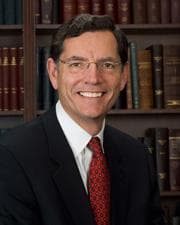
- Introduced
- 5/15/2025
- Last activity
- 5/15/2025 — Read twice and referred to the Committee on Foreign Relations. (text: CR S2953-2954)
- Sponsored by
- John Barrasso
- Cosponsors
- - 6 - 0
- Introduced
- In Committee
What this bill would do
The Combating Global Poverty Through Energy Development Act directs the Secretary of the Treasury to influence international financial institutions regarding energy financing. It instructs the United States to oppose or rescind rules that restrict the financing of coal, oil, natural gas, or civil nuclear energy projects. Specifically, it mandates the reversal of such restrictions at the International Bank for Reconstruction and Development. To enforce this, the bill limits funds for that specific Bank until certain policy changes are met. Additionally, the Secretary must work with other agencies to promote energy project financing to help developing countries access power.
Yes
Is this likely to lift people out of poverty?+5
The bill seeks to combat global poverty by facilitating energy infrastructure development in developing nations.
Does this send more money or help to other countries?+3
The bill leverages U.S. influence to expand the availability of energy project financing via international institutions.
Would households on low incomes be better off under this?+2
The bill aims to provide more reliable and affordable power to developing nations, which benefits low-income populations there.
The opposite· 3 of 4
Does this reduce how much oil, gas and coal is produced?-8
The bill opposes restrictions on the financing of fossil fuel exploration and production.
Does this cut the pollution that drives climate change?-7
The bill actively works to reverse restrictions on fossil fuel and nuclear energy, which may increase carbon emissions.
Does this better protect air, water and wildlife?-5
The bill seeks to weaken policies that restrict coal, oil, and gas financing, potentially impacting environmental standards.
Who it would affect, and how
Potential Positive Impacts for People
-
Access to Power for Developing Countries: The bill aims to help developing countries access affordable and reliable power by promoting the financing of coal, oil, and natural gas projects (Section 2(d)).
-
Increased Energy Financing: By opposing restrictions, the bill seeks to ensure that international financial institutions can finance coal, oil, natural gas, or civil nuclear energy projects (Section 2(a)).
-
Policy Reversal at the International Bank for Reconstruction and Development: The bill calls for the reversal of specific prohibitions on financing coal power, upstream oil and gas exploration, and civil nuclear energy (Section 2(b)).
Potential Negative Impacts for People
- Limitations on International Bank Funding: Not more than 50 percent of amounts made available for the International Bank for Reconstruction and Development for fiscal year 2026 or thereafter may be obligated or expended until the Secretary certifies that specific policy changes have been made (Section 2(c)).
Groups and Interests Ranking
Every group the model scored this bill for, from -10 to +10. Hover a score for the reason it gave.
- Environment Energy And Infrastructure
- Reduces Fossil Fuel Production-8Reduces Carbon Emissions-7Improves Environmental Protections-5Increases Renewable Energy Investment-3
- Social Issues And Justice
- Improves Poverty Reduction+5
- National Security And Foreign Policy
- Increases Foreign Aid+3
- Demographic And Interest Groups
- Good For Low Income Households+2
- 5/15/2025
- Read twice and referred to the Committee on Foreign Relations. (text: CR S2953-2954)
- 6 Cosponsors added.
- Introduced in Senate
 Marsha Blackburn
Republican · Tennessee
 Ted Cruz
Republican · Texas
 Bill Hagerty
Republican · Tennessee
 Cynthia Lummis
Republican · Wyoming
 Mike Lee
Republican · Utah
 Pete Ricketts
Republican · Nebraska