Bill · S. 1431· Senate(119-S-1431)
School Meal Modernization and Hunger Elimination Act
- Introduced
- 4/10/2025
- Last activity
- 4/10/2025 — Read twice and referred to the Committee on Agriculture, Nutrition, and Forestry.
- Sponsored by
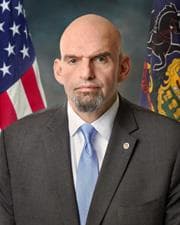
- John Fetterman
- Cosponsors
- None
- Introduced
- In Committee
What this bill would do
This bill, known as the "School Meal Modernization and Hunger Elimination Act," aims to amend the Richard B. Russell National School Lunch Act. It focuses on improving program requirements and expanding direct certification for many students. The legislation introduces new categories of children eligible for direct certification, including those in specific housing or kinship situations. It also establishes rules for honoring eligibility when children transfer between schools. Additionally, the bill creates statewide demonstration projects to test universal free school meals and provides grants to improve direct certification rates.
Yes· 3 of 7
Would children be better off under this?+9
The bill directly targets improving access to nutritious meals for children in low-income or unstable housing situations.
Would households on low incomes be better off under this?+8
Low-income families benefit from easier certification and expanded eligibility for free school meals.
Would students be better off under this?+8
Students benefit through increased access to free or reduced-price meals and more stable eligibility.
The opposite
No question was scored the opposite.
Who it would affect, and how
Potential Positive Impacts for People
-
Expanded Direct Certification: The bill expands the list of children who can be automatically certified for meals, including children placed by certain agencies, those receiving adoption or kinship assistance, and children living in specific low-income housing (Section 2).
-
Protection for Transferred Children: When a "covered child" moves to a new school under a different local educational agency, their eligibility is honored and can be extended by one year if they are living with a specific type of relative (Section 3).
-
Financial Relief for Families: If a child's eligibility changes, local educational agencies must submit revised meal claims to receive reimbursement, and they are required to reimburse the household for any fees paid during the transition period (Section 3).
-
Universal Meal Access via Demonstration: The bill allows for up to five States to run demonstration projects where school meals are provided at no charge to every student at eligible schools (Section 9).
-
Improved Direct Certification Rates: The Secretary will provide grants to States and Tribal organizations to improve technology, provide technical assistance, and coordinate with other benefit programs to make sure more eligible children are certified (Section 7).
-
Medicaid Integration: The bill establishes procedures for States to enter agreements so that children eligible for and receiving Medicaid can be certified for free or reduced price meals without further application (Section 5).
Potential Negative Impacts for People
- Requirement for Non-Federal Funding: States participating in the statewide free universal school meals demonstration projects must provide funding from non-Federal sources to ensure local educational agencies receive specific reimbursement rates (Section 9).
Groups and Interests Ranking
Every group the model scored this bill for, from -10 to +10. Hover a score for the reason it gave.
- Demographic And Interest Groups
- Good For Children+9Good For Low Income Households+8Good For Students+8Good For Native Americans+7
- Social Issues And Justice
- Improves Poverty Reduction+7
- Education And Technology
- Increases Public School Funding+6
- Governance And Ideology
- Increases Federal Power+3
- 4/10/2025
- Read twice and referred to the Committee on Agriculture, Nutrition, and Forestry.
- Introduced in Senate