Bill · S. 1380· Senate(119-S-1380)
SPARC Act
- Introduced
- 4/9/2025
- Last activity
- 3/19/2026 — Committee on Health, Education, Labor, and Pensions. Hearings held.
- Sponsored by
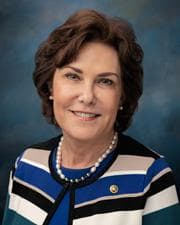
- Jacky Rosen
- Cosponsors
- - 4 - 1
- Introduced
- In Committee
What this bill would do
The "Specialty Physicians Advancing Rural Care Act" aims to amend the Public Health Service Act. It establishes a loan repayment program to encourage specialty medicine physicians to serve in rural communities facing shortages. The program also allows for the inclusion of non-physician specialty health care providers. Participants enter agreements to have their eligible education loans repaid in exchange for a period of obligated service. This service requires a six-year commitment to full-time employment in a rural community with a shortage.
Yes· 3 of 6
Would people in rural areas be better off under this?+7
The bill significantly benefits rural residents by increasing the availability of specialty healthcare providers.
Would students be better off under this?+6
The bill is highly beneficial for medical students looking for loan repayment options.
Does this invest in rural communities?+5
The bill supports rural development by attracting specialty healthcare providers to these communities.
The opposite
No question was scored the opposite.
Who it would affect, and how
Potential Positive Impacts for People
-
Financial Relief for Providers: Specialty medicine physicians and non-physician specialty health care providers can have their eligible loans repaid, including principal and interest, through annual payments or a final payment upon completion of service. (Section 782(a) and (b))
-
Addressing Rural Healthcare Shortages: The program encourages specialty medicine physicians and non-physician specialty health care providers to work in rural communities that are experiencing a shortage of these services. (Section 782(a))
-
Support for Diverse Educational Loans: The program covers various types of loans, such as Federal Direct Stafford Loans, Federal Direct PLUS Loans, and Federal Perkins Loans. (Section 782(c))
Potential Negative Impacts for People
-
Service Commitment Burden: Participants must commit to 6 years of full-time employment in a rural community, with no more than 1 year passing between any 2 years of covered employment. (Section 782(d))
-
Financial Caps on Repayment: The total amount of payments made to any individual physician or provider cannot exceed $250,000. (Section 782(b)(2))
-
Limitations on Non-Physician Providers: Non-physician specialty health care providers are not eligible for other Federal loan forgiveness programs specific to health care providers, and their awards are capped at 15 percent of the total amounts made available in a fiscal year. (Section 782(g))
-
Risk of Breach: The Secretary may establish a liquidated damages formula to be used if an agreement is breached. (Section 782(f)(1))
Groups and Interests Ranking
Every group the model scored this bill for, from -10 to +10. Hover a score for the reason it gave.
- Demographic And Interest Groups
- Good For Rural Residents+7Good For Students+6
- Education And Technology
- Improves College Affordability+4Improves Student Loan Relief+4
- Environment Energy And Infrastructure
- Improves Rural Development+5
- Healthcare
- Improves Healthcare Access+5
- 6/17/2026
- 1 Cosponsor added.
- 5/11/2026
- 1 Cosponsor added.
- 4/27/2026
- 1 Cosponsor added.
- 3/19/2026
- Committee on Health, Education, Labor, and Pensions. Hearings held.
- 6/4/2025
- 1 Cosponsor added.
- 4/9/2025
- Read twice and referred to the Committee on Health, Education, Labor, and Pensions.
- 1 Cosponsor added.
- Introduced in Senate
One bill Congress.gov lists as related to this one — companions in the other chamber, earlier versions, and bills this one absorbed or was folded into.
 Kirsten Gillibrand
Democrat · New York
 Amy Klobuchar
Democrat · Minnesota
 Jeanne Shaheen
Democrat · New Hampshire
 Roger Wicker
Republican · Mississippi
 Peter Welch
Democrat · Vermont