Bill · S. 127· Senate(119-S-127)
Whole-Home Repairs Act of 2025
- Introduced
- 1/16/2025
- Last activity
- 1/16/2025 — Read twice and referred to the Committee on Banking, Housing, and Urban Affairs.
- Sponsored by
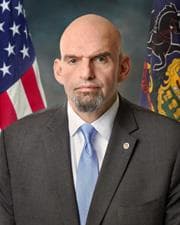
- John Fetterman
- Cosponsors
- - 4 - 5
- Introduced
- In Committee
What this bill would do
The Whole-Home Repairs Act of 2025 sets up a pilot program through the Department of Housing and Urban Development to provide grants and loans for home repairs. Under Section 3, the Secretary must award grants to a limited number of implementing organizations to manage these funds. These organizations will give grants directly to eligible low-income homeowners and forgivable loans to eligible landlords. The program specifically targets accessibility updates, habitability and safety fixes, and energy and water efficiency improvements. Participating landlords must agree to certain conditions, such as capping rent increases and keeping units affordable. The pilot program is funded by using up to $25,000,000 from existing funds and is set to terminate on October 1, 2030.
Yes· 3 of 13
Would households on low incomes be better off under this?+8
The bill provides direct financial assistance for home repairs to households meeting specific low-income thresholds.
Would people with disabilities be better off under this?+8
The bill targets home modifications specifically designed for physical and sensory accessibility.
Does this make housing cost less?+8
The bill provides grants and loans to improve the habitability and preservation of affordable housing units.
The opposite
No question was scored the opposite.
Who it would affect, and how
Potential Positive Impacts for People
-
Grants for Low-Income Homeowners: Under Section 3(b)(1), eligible homeowners can receive grants to implement whole-home repairs up to a maximum amount approved by the Secretary. This helps people with limited means fix safety issues, make accessibility modifications, or improve energy efficiency in their homes without taking on debt.
-
Loans for Eligible Landlords: Under Section 3(b)(2), eligible landlords can receive loans, which may be forgivable, to make whole-home repairs to affordable rental units and common areas. This helps improve the quality and safety of rental housing for tenants.
-
Rent Protections and Lease Extensions: Under Section 3(c)(2)(B), landlords receiving loans must offer to extend the leases of current tenants for at least three years after repairs are completed and cap annual rent increases at 5 percent or inflation, whichever is lower. This protects renters from getting priced out of their homes right after improvements are made.
-
Workforce Training Support: Under Section 3(b)(5), implementing organizations are allowed to use up to 10 percent of their awarded funds for related functions like workforce training. This can help build local job skills while increasing the number of home repairs performed.
Potential Negative Impacts for People
-
Burdensome Loan Requirements for Landlords: Under Section 3(c), landlords who take out loans must meet strict rules, including maintaining units as affordable housing and capping rent increases for at least three years. If a landlord fails to follow these rules or if repairs are not completed, they may face financial penalties or be required to repay the funds on a prorated basis as detailed in Section 3(b)(4).
-
Repayment and Unused Funds Rules: Under Section 3(b)(4), if approved repairs are not completed and the work plan is not updated, the grant or loan must be repaid on a prorated basis, and any unused balances must be returned. This could create administrative hurdles or financial stress for participants if projects face unexpected delays or cost changes.
Groups and Interests Ranking
Every group the model scored this bill for, from -10 to +10. Hover a score for the reason it gave.
- Demographic And Interest Groups
- Good For Low Income Households+8Good For People With Disabilities+8Good For Seniors+7Good For Rural Residents+4Good For Native Americans+3
- Social Issues And Justice
- Improves Affordable Housing+8Improves Disability Rights+7Improves Poverty Reduction+4
- Environment Energy And Infrastructure
- Improves Rural Development+3Increases Renewable Energy Investment+3
- Economy And Finance
- Increases Job Creation+3Improves Small Business Support+2
- Governance And Ideology
- Improves Government Transparency+2
- 3/4/2026
- 1 Cosponsor added.
- 4/10/2025
- 2 Cosponsors added.
- 3/11/2025
- 1 Cosponsor added.
- 2/25/2025
- 1 Cosponsor added.
- 2/18/2025
- 2 Cosponsors added.
- 1/16/2025
- Read twice and referred to the Committee on Banking, Housing, and Urban Affairs.
- 3 Cosponsors added.
- Introduced in Senate
One bill Congress.gov lists as related to this one — companions in the other chamber, earlier versions, and bills this one absorbed or was folded into.
 Angela Alsobrooks
Democrat · Maryland
 James Justice
Republican · West Virginia
 Amy Klobuchar
Democrat · Minnesota
 Angus King
Independent · Maine
 Cynthia Lummis
Republican · Wyoming
 David McCormick
Republican · Pennsylvania
 Mike Rounds
Republican · South Dakota
 Tina Smith
Democrat · Minnesota
 Tim Sheehy
Republican · Montana
 Raphael Warnock
Democrat · Georgia