Bill · S. 1139· Senate(119-S-1139)
HOPE for Heroes Act of 2025
- Introduced
- 3/26/2025
- Last activity
- 7/30/2025 — Committee on Veterans' Affairs. Ordered to be reported with an amendment in the nature of a substitute favorably.
- Sponsored by
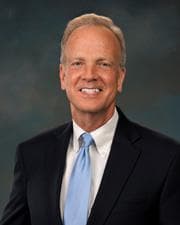
- Jerry Moran
- Cosponsors
- None
- Introduced
- In Committee
What this bill would do
The HOPE for Heroes Act of 2025 seeks to amend and reauthorize the Staff Sergeant Parker Gordon Fox Suicide Prevention Grant Program. It modifies how the Secretary of Veterans Affairs coordinates the program by shifting oversight to the Assistant Under Secretary for Health for Clinical Services. The bill increases the maximum grant amount and allows for additional funding based on how many people use the services. It also introduces new requirements for training, including the use of the Columbia Protocol. Furthermore, the bill expands the definition of risk and provides for emergent suicide care if services are not provided within 72 hours of a referral. Finally, the program's duration and reauthorization are extended through 2030.
Yes· 3 of 5
Would veterans be better off under this, taking everything together?+8
The bill provides significant positive impacts for veterans by enhancing suicide prevention funding and care protocols.
Does this help veterans get medical care?+7
The bill significantly bolsters veteran healthcare through increased funding, better training protocols, and expanded emergent care coverage.
Does this increase the pay, pensions or support veterans receive?+6
The bill strengthens benefits through enhanced suicide prevention grant programs.
The opposite
No question was scored the opposite.
Who it would affect, and how
Potential Positive Impacts for People
-
Increased Funding for Services: The maximum grant amount is increased from $750,000 to $1,000,000, which can provide more resources for prevention (Section 2(b)).
-
Performance-Based Incentives: Grantees can receive up to an additional $500,000 based on the number of individuals who go through the intake process, encouraging more people to receive services (Section 2(b)).
-
Improved Continuity of Care: Grant recipients must coordinate with the Secretary to develop communication plans with local suicide prevention coordinators to track if veterans are attending appointments (Section 2(c)).
-
Enhanced Training Standards: The bill mandates training on the Columbia Protocol (Columbia-Suicide Severity Rating Scale) and requires the Secretary to provide training to Department employees (Section 2(d)).
-
Improved Coordination with Medical Centers: The Secretary must provide quarterly briefings to personnel at medical centers located within 100 miles of grant recipients to improve coordination (Section 2(e)).
-
Protection During Service Delays: If mental health or behavioral health care is not provided within 72 hours of a referral, the individual can be treated as eligible for emergent suicide care (Section 2(h)).
-
Increased Accessibility: The bill adds provisions for transportation and rideshare services for eligible individuals to use for their appointments (Section 2(l)).
-
Broader Risk Assessment: The definition of the risk of suicide is modified to include any degree of health, environmental, or historical risk factors (Section 2(k)).
Potential Negative Impacts for People
- Administrative and Food Spending Limits: Grant funds are now subject to restrictions where no more than 30 percent can be spent on administrative costs and no more than five percent can be spent on food and beverages (Section 2(b)).
Groups and Interests Ranking
Every group the model scored this bill for, from -10 to +10. Hover a score for the reason it gave.
- Healthcare
- Improves Veterans Healthcare+7Improves Mental Health Access+5Improves Healthcare Access+4
- Demographic And Interest Groups
- Good For Veterans+8
- National Security And Foreign Policy
- Improves Veterans Benefits+6
- 7/30/2025
- Committee on Veterans' Affairs. Ordered to be reported with an amendment in the nature of a substitute favorably.
- 3/26/2025
- Read twice and referred to the Committee on Veterans' Affairs.
- Introduced in Senate