Bill · H.Res. 958· House(119-HRES-958)
Supporting the commemoration of the 60th anniversary of the enactment of the Higher Education Act of 1965 and reaffirming the commitment of the House of Representatives to expanding access to higher education for all Americans.
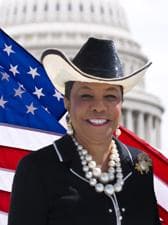
- Introduced
- 12/17/2025
- Last activity
- 12/17/2025 — Referred to the House Committee on Education and Workforce.
- Sponsored by
- Frederica Wilson
- Cosponsors
- - 2 - 0
- Introduced
- In Committee
A House resolution is the House speaking for itself: stating a position, honouring someone, or setting its own rules. Adopting it is the whole process. Once the House agrees to it, it is officially the House's word; it is not a law, so the Senate and the President have no part in it.
What this bill would do
This resolution marks the 60th anniversary of the Higher Education Act of 1965. It recognizes the history of the original law and its later updates that helped provide grants, loans, and work-study programs for students. The text highlights how the law supported low-income students, minority-serving institutions, and various educational programs over the decades. It acknowledges the people whose efforts led to the passage and strengthening of the Act. Finally, the House of Representatives reaffirms its commitment to ensuring all Americans can pursue and complete higher education.
Yes· 3 of 26
Would people in their twenties and thirties be better off under this?+6
College students and young adults directly benefit from federal grants, loans, and work-study opportunities.
Would households on low incomes be better off under this?+6
The legislation emphasizes need-based grants like Pell Grants and TRIO programs aimed at low-income individuals.
Would students be better off under this?+6
The primary focus of the resolution is celebrating and supporting students pursuing higher education.
The opposite
No question was scored the opposite.
Who it would affect, and how
Potential Positive Impacts for People
-
Support for low-income students and families: The bill points out that the original Higher Education Act authorized student aid programs like grants, student loans, and work-study to support low-income individuals. It also notes that the Federal Pell Grant program under section 401 provides essential need-based grants to improve access to higher education. This is positive because it helps everyday people afford the cost of going to college.
-
Help for specialized student groups: The text mentions that amendments to the Act created the Federal TRIO Programs (including Upward Bound, Talent Search, and Special Services for Disadvantaged Students) to support low-income individuals, first-generation college students, and students with disabilities. Additionally, section 418A supports the High School Equivalency Program and the College Assistance Migrant Program for migrant and seasonal farmworker families. These provisions are positive because they target specific communities that often face extra hurdles in getting an education.
-
Support for educators, public servants, and specific colleges: The resolution highlights that amendments to title IV created loan forgiveness opportunities for public servants, teachers, servicemembers, and civil servants. It also notes that title V increased support for Hispanic-serving institutions, universities, and colleges to expand postsecondary opportunities. These are positive measures because they reward people who serve the public and help fund schools that educate diverse student populations.
Potential Negative Impacts for People
- None identified: Based on the provided text, there are no specific sections or provisions that outline negative consequences, burdens, or penalties for individuals or groups in the United States.
Groups and Interests Ranking
Every group the model scored this bill for, from -10 to +10. Hover a score for the reason it gave.
- Demographic And Interest Groups
- Good For Low Income Households+6Good For Students+6Good For Young Adults+6Good For Women+5Good For African Americans+4Good For Hispanic Americans+4Good For Immigrants+4Good For Middle Class Households+4Good For People With Disabilities+4Good For Veterans+4Good For Children+3Good For Asian Americans+2Good For Farmers+2Good For Middle Aged+2Good For Native Americans+2Good For Rural Residents+2Good For Urban Residents+2
- Education And Technology
- Improves College Affordability+6Improves Student Loan Relief+5Increases Scientific Research Funding+3
- Social Issues And Justice
- Improves Gender Equality+4Improves Racial Equity+4Improves Disability Rights+3Improves Poverty Reduction+3
- Economy And Finance
- Improves Economic Growth+2
- Environment Energy And Infrastructure
- Improves Rural Development+2
- 12/17/2025
- Submitted in House
- Referred to the House Committee on Education and Workforce.
- 2 Cosponsors added.
 Alma Adams
Democrat · North Carolina
 Angie Craig
Democrat · Minnesota