Bill · H.Res. 693· House(119-HRES-693)
Expressing support for the designation of September 9 as "National African Immigrant and Refugee HIV/AIDS and Hepatitis Awareness Day" or "NAIRHHA Day".
- Introduced
- 9/10/2025
- Last activity
- 9/10/2025 — Referred to the House Committee on Energy and Commerce.
- Sponsored by
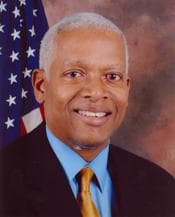
- Henry Johnson
- Cosponsors
- - 1 - 0
- Introduced
- In Committee
A House resolution is the House speaking for itself: stating a position, honouring someone, or setting its own rules. Adopting it is the whole process. Once the House agrees to it, it is officially the House's word; it is not a law, so the Senate and the President have no part in it.
What this bill would do
This text is a resolution introduced in the House of Representatives to support designating September 9 as National African Immigrant and Refugee HIV/AIDS and Hepatitis Awareness Day, or NAIRHHA Day. The bill highlights that African immigrants and refugees face significantly higher rates of HIV and chronic hepatitis B compared to the general United States population. It points out that these communities experience unique barriers to care, including social stigma, language barriers, fear of health facilities, and a lack of culturally appropriate healthcare services. The resolution aims to bring local and national attention to these health issues through awareness, education, and resources. Ultimately, the House of Representatives resolves to support the designated awareness day, recognize the need for more attention and resources, and encourage a commitment to reducing infections and deaths through screening, vaccination, and treatment.
Yes· 3 of 5
Would immigrants be better off under this?+6
The resolution specifically targets the health needs, awareness, and cultural barriers faced by African immigrant and refugee populations.
Does this make health care easier to get in general?+5
The resolution advocates for improved screening, vaccination, and linkage to treatment for African immigrant communities.
Does this narrow racial gaps in how people are treated?+5
The measure addresses specific health disparities and high infection rates faced by the African immigrant population.
The opposite
No question was scored the opposite.
Who it would affect, and how
Potential Positive Impacts for People
-
Raising Awareness and Reducing Stigma: The resolution explicitly supports raising awareness and eliminating the stigma surrounding HIV/AIDS and viral hepatitis. This is a positive step because the text notes that stigma, fear, and lack of awareness are major challenges preventing people from getting tested and treated.
-
Education and Health Empowerment: The bill emphasizes educating communities about protection, encouraging screenings and treatment, and promoting hepatitis B vaccinations. According to the text, these actions place control back within the community and help people take charge of their own health.
-
Better Access to Culturally Appropriate Care: The measure encourages a commitment to robust screening, vaccination, and linkage to treatment and care. This is beneficial because the text highlights the critical need for providers and services to be culturally and linguistically appropriate to meet the needs of African immigrants and refugees.
Potential Negative Impacts for People
- No Negative Impacts Identified: The provided text is a supportive resolution focused on awareness, education, and healthcare advocacy. It does not contain any provisions that impose burdens, penalties, or negative consequences on individuals or groups.
Groups and Interests Ranking
Every group the model scored this bill for, from -10 to +10. Hover a score for the reason it gave.
- Demographic And Interest Groups
- Good For Immigrants+6Good For African Americans+4Good For Low Income Households+3
- Healthcare
- Improves Healthcare Access+5
- Social Issues And Justice
- Improves Racial Equity+5
- 9/10/2025
- Submitted in House
- Referred to the House Committee on Energy and Commerce.
- 1 Cosponsor added.
One bill Congress.gov lists as related to this one — companions in the other chamber, earlier versions, and bills this one absorbed or was folded into.
 Nydia Velázquez
Democrat · New York