Bill · H.Res. 666· House(119-HRES-666)
Supporting the goals of Overdose Awareness Day and strengthening efforts to combat the opioid crisis in the United States.
- Introduced
- 8/29/2025
- Last activity
- 8/29/2025 — Referred to the House Committee on Energy and Commerce.
- Sponsored by
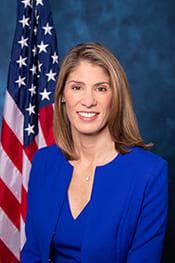
- Lori Trahan
- Cosponsors
- - 1 - 1
- Introduced
- In Committee
A House resolution is the House speaking for itself: stating a position, honouring someone, or setting its own rules. Adopting it is the whole process. Once the House agrees to it, it is officially the House's word; it is not a law, so the Senate and the President have no part in it.
What this bill would do
H. Res. 666 supports the goals of Overdose Awareness Day and aims to strengthen efforts to combat the opioid crisis in the United States. The text notes that there were an estimated 80,391 drug overdose deaths in the United States during 2024, with over 90 percent of opioid overdose deaths involving illicitly manufactured fentanyl. It points out that substance use disorder is a chronic disease and that overdose deaths are preventable through awareness, prevention, intervention, treatment, and recovery support. The House of Representatives resolves to recognize Overdose Awareness Day. Additionally, the House commits to advancing bipartisan policies that reduce stigma and is dedicated to collaborating with various groups to support prevention, treatment, harm reduction, and recovery.
Yes· 3 of 12
Does this do more about addiction and overdose deaths?+8
The bill directly aims to strengthen efforts to combat the opioid crisis and supports prevention, treatment, and recovery systems.
Does this make health care easier to get in general?+5
The resolution supports comprehensive prevention, treatment, harm reduction, and recovery efforts for opioid use disorder.
Would people in their twenties and thirties be better off under this?+3
Young adults experience significant impacts from opioid overdoses and benefit from increased prevention and awareness.
The opposite
No question was scored the opposite.
Who it would affect, and how
Potential Positive Impacts for People
-
The House of Representatives commits to advancing and passing bipartisan policies that reduce the stigma surrounding substance use disorders and overdoses, as stated in resolved clause (2). This is positive because recognizing substance use disorder as a chronic disease decreases stigma and acknowledges it as a health issue.
-
The House is dedicated to collaborating with States, localities, businesses, nongovernmental organizations, health care providers, patients, and families to support a comprehensive system that promotes prevention, treatment, harm reduction, and recovery from opioid use disorder, as outlined in resolved clause (3). This is beneficial because countless lives can be saved through these robust support systems.
Potential Negative Impacts for People
- Based on the provided text, there are no specific sections or provisions identified that would cause negative consequences or burdens for individuals or groups of people in the United States.
Groups and Interests Ranking
Every group the model scored this bill for, from -10 to +10. Hover a score for the reason it gave.
- Demographic And Interest Groups
- Good For African Americans+3Good For Young Adults+3Good For Children+2Good For Low Income Households+2Good For Middle Aged+2Good For Asian Americans+1Good For Hispanic Americans+1Good For Middle Class Households+1Good For Seniors+1
- Healthcare
- Improves Opioid Crisis Response+8Improves Healthcare Access+5
- Social Issues And Justice
- Improves Racial Equity+3
- 8/29/2025
- Submitted in House
- Referred to the House Committee on Energy and Commerce.
- 2 Cosponsors added.
One bill Congress.gov lists as related to this one — companions in the other chamber, earlier versions, and bills this one absorbed or was folded into.
 Brian Fitzpatrick
Republican · Pennsylvania
 Brittany Pettersen
Democrat · Colorado