Bill · H.Res. 382· House(119-HRES-382)
Providing a point of order in the House of Representatives during the 119th Congress against reconciliation measures that reduce benefits under the Medicaid program or the supplemental nutrition assistance program.
- Introduced
- 5/5/2025
- Last activity
- 5/5/2025 — Referred to the House Committee on Rules.
- Sponsored by
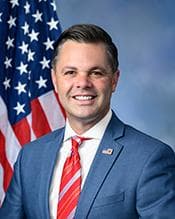
- Zachary Nunn
- Cosponsors
- - 2 - 0
- Introduced
- In Committee
A House resolution is the House speaking for itself: stating a position, honouring someone, or setting its own rules. Adopting it is the whole process. Once the House agrees to it, it is officially the House's word; it is not a law, so the Senate and the President have no part in it.
What this bill would do
H. Res. 382 aims to stop the House of Representatives from considering certain budget reconciliation measures during the 119th Congress. Specifically, it creates a point of order against bills that would reduce Medicaid benefits or supplemental nutrition assistance program (SNAP) benefits. These protections apply to specific groups, including children, seniors, pregnant women, and people with disabilities. However, the resolution allows for measures that target fraudulent billing, improper payments, or eligibility verification.
Yes· 3 of 14
Would households on low incomes be better off under this?+8
Protects essential health and nutrition benefits for vulnerable low-income populations.
Would children be better off under this?+7
Protects Medicaid and SNAP benefits for individuals under 19.
Would people over 65 be better off under this?+7
Protects Medicaid and SNAP benefits for individuals 65 or older.
The opposite
Does this reduce what the federal government owes?-2
By preventing budget cuts to Medicaid and SNAP, the bill may limit opportunities to reduce government spending.
Does this reduce what the federal government spends?-2
The resolution explicitly blocks certain spending reductions in budget reconciliation.
Does this make the government pay for what it commits to?-2
Restricts the ability of the House to implement spending cuts through the reconciliation process.
Who it would affect, and how
Potential Positive Impacts for People
- Protection of healthcare and food benefits: Section 1(a) prevents the reduction of benefits for Medicaid and the supplemental nutrition assistance program for specific vulnerable groups.
- Support for specific vulnerable populations: Section 1(b) ensures that children under 19, seniors 65 or older, pregnant women, and individuals with disabilities are protected from benefit cuts.
Potential Negative Impacts for People
- Limitation on budget flexibility: Section 1(a) restricts the House of Representatives from considering certain reconciliation bills or amendments that might be intended to adjust spending.
Groups and Interests Ranking
Every group the model scored this bill for, from -10 to +10. Hover a score for the reason it gave.
- Demographic And Interest Groups
- Good For Low Income Households+8Good For Children+7Good For People With Disabilities+7Good For Retirees+7Good For Seniors+7Good For Women+5Good For African Americans+2Good For Hispanic Americans+2Good For Native Americans+2
- Social Issues And Justice
- Improves Poverty Reduction+7Improves Disability Rights+5Reduces Homelessness+2
- Healthcare
- Improves Healthcare Access+5Increases Medicaid Funding+5
- Economy And Finance
- Improves Fiscal Responsibility-2Reduces Government Spending-2Reduces National Debt-2
- 5/5/2025
- Submitted in House
- Referred to the House Committee on Rules.
- 2 Cosponsors added.
 Don Bacon
Republican · Nebraska
 Derrick Van Orden
Republican · Wisconsin