Bill · H.Res. 185· House(119-HRES-185)
Recognizing the need of Congress to prevent, address, and treat obesity as a disease in the United States on this World Obesity Day, March 4, 2025.
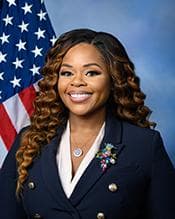
- Introduced
- 3/4/2025
- Last activity
- 3/4/2025 — Referred to the House Committee on Energy and Commerce.
- Sponsored by
- Sheila Cherfilus-McCormick
- Cosponsors
- - 1 - 0
- Introduced
- In Committee
A House resolution is the House speaking for itself: stating a position, honouring someone, or setting its own rules. Adopting it is the whole process. Once the House agrees to it, it is officially the House's word; it is not a law, so the Senate and the President have no part in it.
What this bill would do
This resolution recognizes the need for Congress to prevent, address, and treat obesity as a disease on World Obesity Day, March 4, 2025. It highlights that obesity affects both children and adults, contributes to numerous health issues, and creates high medical and economic costs in the United States. The text notes that obesity rates vary among different racial and ethnic groups, income levels, and geographic locations. Individuals with obesity also frequently face stigma, discrimination, and coverage barriers. Ultimately, the House of Representatives resolves to support preventing and treating obesity as a disease, recognize its categorization to reduce other health risks, understand its contributing factors, and encourage evidence-based strategies for its prevention, diagnosis, and treatment.
Yes· 3 of 13
Would children be better off under this?+3
The resolution acknowledges the impact of obesity on children and advocates for strategies to address it.
Does this make health care easier to get in general?+3
By categorizing obesity as a disease, the resolution seeks to address existing coverage barriers and improve treatment access.
Would people over 65 be better off under this?+2
Addressing obesity can help mitigate various chronic diseases and comorbidities that affect aging populations.
The opposite
No question was scored the opposite.
Who it would affect, and how
Potential Positive Impacts for People
-
Recognition of Obesity as a Disease: Through resolved clauses (1) and (2), the House of Representatives supports the urgent need to prevent, treat, and address obesity as a disease and recognizes the need to categorize it as such to reduce the risk of other diseases and related comorbidities. This is positive because it aims to shift how the condition is viewed and managed.
-
Focus on Prevention and Treatment Strategies: Through resolved clause (4), the resolution encourages health care providers and researchers to develop evidence-based strategies for the prevention, diagnosis, and treatment of obesity. This could benefit individuals by leading to better medical approaches and care options.
Potential Negative Impacts for People
- The provided text does not contain any specific sections or provisions that outline potential negative consequences, burdens, or harms for individuals or groups of people in the United States.
Groups and Interests Ranking
Every group the model scored this bill for, from -10 to +10. Hover a score for the reason it gave.
- Demographic And Interest Groups
- Good For Children+3Good For African Americans+2Good For Hispanic Americans+2Good For Low Income Households+2Good For Native Americans+2Good For Rural Residents+2Good For Seniors+2Good For Women+1
- Healthcare
- Improves Healthcare Access+3Increases Research Funding+2
- Social Issues And Justice
- Improves Racial Equity+2Improves Poverty Reduction+1
- Economy And Finance
- Improves Economic Growth+2
- 3/4/2025
- Submitted in House
- Referred to the House Committee on Energy and Commerce.
- 1 Cosponsor added.
 Gwen Moore
Democrat · Wisconsin