Bill · H.Res. 1630· House(119-HRES-1630)
Expressing the importance of raising awareness of opportunity youth and the necessity of investing in and supporting reconnection to education and career pathways across the United States.
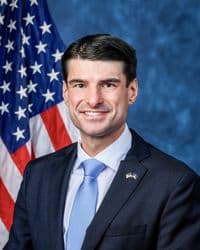
- Introduced
- 10/19/2026
- Last activity
- 10/19/2026 — Referred to the Committee on Education and Workforce, and in addition to the Committee on Energy and Commerce, for a period to be subsequently determined by the Speaker, in each case for consideration of such provisions as fall within the jurisdiction of the committee concerned.
- Cosponsors
- - 0 - 1
- Topic
- Education
In committee
Introduced and handed to a committee in the chamber it started in.
The committee holds it, and most bills are never heard from again. A hearing or a committee vote would be news; silence is the usual outcome, and it kills the bill without anyone voting against it.
Its path through Congress
- Introduced
- In Committee
A House resolution is the House speaking for itself: stating a position, honouring someone, or setting its own rules. Adopting it is the whole process. Once the House agrees to it, it is officially the House's word; it is not a law, so the Senate and the President have no part in it.
What this bill would do
This resolution focuses on supporting "opportunity youth," which are young people between the ages of 16 and 24 who are disconnected from both school and work. It highlights that millions of young Americans face serious barriers like homelessness or aging out of the foster care system. The text points out that connected youth earn more money, are more likely to own homes, and experience better health outcomes. It notes that current federal programs only serve a small fraction of these disconnected young people each year. The House of Representatives resolves to recognize the importance of connecting these individuals to workforce development, education, and mental health programs. Finally, it urges federal department heads to prioritize opportunity youth in relevant grant programs.
Yes· 3 of 13
Would people in their twenties and thirties be better off under this?+6
The entire resolution is dedicated to supporting opportunity youth aged 16 to 24 by improving their educational and career pathways.
Would students be better off under this?+5
The measure focuses heavily on reconnecting disconnected youth to educational pathways and addressing chronic absenteeism.
Would households on low incomes be better off under this?+4
Supporting disconnected youth facing barriers like homelessness helps low-income individuals achieve economic stability.
The opposite
No question was scored the opposite.
Who it would affect, and how
Potential Positive Impacts for People
-
Under section (1), the House of Representatives recognizes the importance of focusing federal policy on connecting disconnected young people to workforce development, education, and mental health programs. This could benefit individuals by helping them overcome barriers to success, such as homelessness or aging out of the foster care system.
-
Under section (2), the resolution recognizes the need to robustly invest in, develop, and reauthorize effective federal programs that support the development of opportunity youth. This may help these individuals gain better access to necessary education, career, and mental health resources.
-
Under section (3), the resolution urges the heads of federal departments and agencies, including the Secretary of Labor, the Secretary of Education, and the Secretary of Health and Human Services, to take innovative steps to ensure opportunity youth are a priority in federal grant programs. This could result in more targeted funding and support for programs that directly serve this group.
Potential Negative Impacts for People
- The provided text does not contain any sections or provisions that identify potential negative consequences or burdens for individuals or groups of people in the United States.
Groups and Interests Ranking
Every group the model scored this bill for, from -10 to +10. Tap or hover a score for the reason it gave.
- Demographic And Interest Groups
- Would people in their twenties and thirties be better off under this? — The entire resolution is dedicated to supporting opportunity youth aged 16 to 24 by improving their educational and career pathways.Would students be better off under this? — The measure focuses heavily on reconnecting disconnected youth to educational pathways and addressing chronic absenteeism.Would households on low incomes be better off under this? — Supporting disconnected youth facing barriers like homelessness helps low-income individuals achieve economic stability.Would people in rural areas be better off under this? — The text points out that rural areas have significant rates of opportunity youth, making them key beneficiaries of proposed federal priorities.Would people in cities be better off under this? — The resolution highlights the large number of opportunity youth in urban and suburban communities who stand to benefit from targeted programs.
- Economy And Finance
- Is this likely to create jobs? — The resolution encourages prioritizing workforce development programs that help disconnected youth secure employment.Is this likely to grow the economy? — Connecting opportunity youth to education and career pathways can expand the productive workforce and increase federal revenue.
- Healthcare
- Does this make mental health care easier to get? — The resolution emphasizes the importance of connecting opportunity youth to mental health programs.Does this make health care easier to get in general? — By supporting opportunity youth and addressing health outcomes, the resolution promotes better access to supportive services.
- Social Issues And Justice
- Is this likely to lift people out of poverty? — Reconnecting disconnected youth to education and careers helps lift vulnerable individuals out of poverty.Is this likely to reduce homelessness? — The resolution addresses significant barriers for youth such as homelessness by promoting support programs.
- Education And Technology
- Does this put more money into public schools? — The resolution urges robust investment in and prioritization of education programs supporting opportunity youth.
- Environment Energy And Infrastructure
- Does this invest in rural communities? — The text notes high rates of opportunity youth in rural areas, and federal grant priorities could benefit these communities.
- 10/19/2026
- Submitted in House
- Referred to the Committee on Education and Workforce, and in addition to the Committee on Energy and Commerce, for a period to be subsequently determined by the Speaker, in each case for consideration of such provisions as fall within the jurisdiction of the committee concerned.
- 1 Cosponsor added.
 Troy Carter
Democrat · Louisiana