Bill · H.Res. 1469· House(119-HRES-1469)
Condemning a legal opinion issued by the U.S. Department of Justice on June 18, 2026, regarding the Olmstead v. L.C., the 1999 Supreme Court decision that recognized institutional isolation of people with disabilities as discrimination under the Americans with Disabilities Act.
- Introduced
- 8/3/2026
- Last activity
- 8/3/2026 — Referred to the Committee on the Judiciary, and in addition to the Committees on Energy and Commerce, and Education and Workforce, for a period to be subsequently determined by the Speaker, in each case for consideration of such provisions as fall within the jurisdiction of the committee concerned.
- Sponsored by
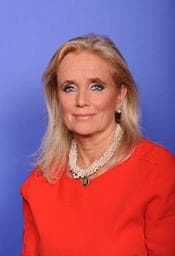
- Debbie Dingell
- Cosponsors
- - 2 - 0
- Introduced
- In Committee
A House resolution is the House speaking for itself: stating a position, honouring someone, or setting its own rules. Adopting it is the whole process. Once the House agrees to it, it is officially the House's word; it is not a law, so the Senate and the President have no part in it.
What this bill would do
This resolution condemns a legal opinion issued by the Department of Justice on June 18, 2026, regarding the Olmstead v. L.C. Supreme Court decision. The resolution argues that the Department of Justice's interpretation of the integration mandate for people with disabilities is incorrect and arbitrary. It further condemns recent and future cuts to the Medicaid program, specifically mentioning burdensome work-reporting requirements. The resolution calls for the Department of Justice to rescind its recent opinion concerning the integration mandate. Additionally, it urges Congress to work together to reverse Medicaid cuts and increase funding for community-based services. Finally, it affirms the importance of the Olmstead decision in preventing the unjustified segregation of individuals with disabilities.
Yes· 3 of 5
Would people with disabilities be better off under this?+10
The resolution is highly positive as it defends integration mandates and calls for increased funding for community-based services for people with disabilities.
Does this expand the rights of people with disabilities?+9
The resolution strongly defends the integration mandate and opposes legal interpretations that threaten the rights of people with disabilities.
Would households on low incomes be better off under this?+7
The resolution's push for Medicaid stability and increased funding directly benefits low-income households relying on these services.
The opposite
No question was scored the opposite.
Who it would affect, and how
Potential Positive Impacts for People
-
Increased Funding for Community Services: The resolution calls for Congress to increase funding for home- and community-based services, which helps individuals with disabilities live in their own homes rather than in institutions. (Section 2, Part B)
-
Protection of Integration Rights: By calling for the rescission of the Department of Justice's opinion, the resolution seeks to protect the integration mandate that allows people with disabilities to receive services in the most integrated settings appropriate to their needs. (Section 2, Part A)
-
Safeguarding Medicaid: The resolution seeks to reverse significant cuts to the Medicaid program, which is used to provide home- and community-based services for many individuals with disabilities. (Section 1, Part B)
Potential Negative Impacts for People
-
Risk to Health and Progress: The resolution states that cuts to the Medicaid program, including the establishment of work-reporting requirements and other barriers, put the health of individuals with disabilities at risk and hinder progress made under the ADA and section 504. (Section 1, Part B)
-
Threat of Institutionalization: The Department of Justice's legal opinion is described as a threat to the progress made toward full integration, which could lead to increased unjustified institutionalization and segregation of individuals with disabilities. (Whereas clauses regarding the June 18, 2026, opinion)
Groups and Interests Ranking
Every group the model scored this bill for, from -10 to +10. Hover a score for the reason it gave.
- Demographic And Interest Groups
- Good For People With Disabilities+10Good For Low Income Households+7
- Healthcare
- Improves Healthcare Access+7Increases Medicaid Funding+7
- Social Issues And Justice
- Improves Disability Rights+9
- 8/24/2026
- 1 Cosponsor added.
- 8/3/2026
- Submitted in House
- Referred to the Committee on the Judiciary, and in addition to the Committees on Energy and Commerce, and Education and Workforce, for a period to be subsequently determined by the Speaker, in each case for consideration of such provisions as fall within the jurisdiction of the committee concerned.
- 1 Cosponsor added.
One bill Congress.gov lists as related to this one — companions in the other chamber, earlier versions, and bills this one absorbed or was folded into.
 Nikki Budzinski
Democrat · Illinois
 Mary Gay Scanlon
Democrat · Pennsylvania