Bill · H.Res. 146· House(119-HRES-146)
Honoring the legacy of the Harlem Renaissance, a cultural, social, and political movement in American history.
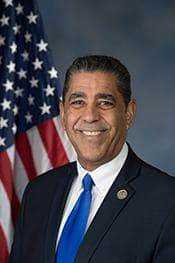
- Introduced
- 2/21/2025
- Last activity
- 2/21/2025 — Referred to the House Committee on Oversight and Government Reform.
- Sponsored by
- Adriano Espaillat
- Cosponsors
- - 4 - 0
- Introduced
- In Committee
A House resolution is the House speaking for itself: stating a position, honouring someone, or setting its own rules. Adopting it is the whole process. Once the House agrees to it, it is officially the House's word; it is not a law, so the Senate and the President have no part in it.
What this bill would do
This resolution honors the legacy of the Harlem Renaissance as a major cultural, social, and political movement in American history. It details the historical background, including the Great Migration of Black Americans and the contributions of prominent figures in literature, music, art, and civil rights. The text highlights how the movement challenged racist stereotypes and fostered a new sense of pride and self-determination for Black people. Furthermore, the measure notes the foundational impact the era had on the civil rights movement and global African consciousness. Finally, the resolution formally recognizes these historical achievements and supports the preservation of Harlem's cultural assets.
Yes· 3 of 7
Would Black Americans be better off under this?+5
The resolution celebrates and seeks to preserve the cultural, social, and political history of the African American experience via the Harlem Renaissance.
Does this narrow racial gaps in how people are treated?+5
The resolution recognizes and seeks to preserve the cultural and political legacy of the Harlem Renaissance which was central to Black self-determination.
Would households on low incomes be better off under this?+3
The resolution includes language intended to protect low-income residents from displacement due to neighborhood encroachment.
The opposite
No question was scored the opposite.
Who it would affect, and how
Potential Positive Impacts for People
- Preservation of Local Housing and Culture: Under section (4), the resolution supports protecting Harlem's historic assets and cultural legacy against encroachments that displace low- and moderate-income residents. This could be considered positive because it aims to protect everyday residents from being forced out of their neighborhoods while preserving the unique identity of the community.
Potential Negative Impacts for People
- No Negative Impacts Identified: Based strictly on the text provided, there are no sections or provisions that create negative consequences, burdens, or penalties for individuals or groups in the United States.
Groups and Interests Ranking
Every group the model scored this bill for, from -10 to +10. Hover a score for the reason it gave.
- Demographic And Interest Groups
- Good For African Americans+5Good For Low Income Households+3Good For Urban Residents+3Good For Middle Class Households+2
- Social Issues And Justice
- Improves Racial Equity+5Improves Affordable Housing+3Improves Poverty Reduction+2
- 2/21/2025
- Submitted in House
- Referred to the House Committee on Oversight and Government Reform.
- 4 Cosponsors added.
 Yvette Clarke
Democrat · New York
 Grace Meng
Democrat · New York
 Alexandria Ocasio-Cortez
Democrat · New York
 Nydia Velázquez
Democrat · New York