Bill · H.Res. 1439· House(119-HRES-1439)
Expressing the sense of the House of Representatives that the United States Senate's current cloture and filibuster rules are contrary to the constitutional design of two co-equal majoritarian legislative bodies, are non-deliberative in practice, disenfranchise Members of the House of Representatives and their constituents, and disrupt the proper balance of powers between the two chambers of Congress, and for other purposes.
- Introduced
- 7/20/2026
- Last activity
- 7/20/2026 — Referred to the House Committee on Rules.
- Sponsored by
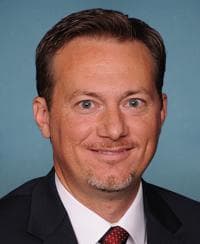
- Michael Cloud
- Cosponsors
- None
- Introduced
- In Committee
A House resolution is the House speaking for itself: stating a position, honouring someone, or setting its own rules. Adopting it is the whole process. Once the House agrees to it, it is officially the House's word; it is not a law, so the Senate and the President have no part in it.
What this bill would do
This resolution expresses the sense of the House of Representatives regarding the Senate's current cloture and filibuster rules. The House finds these rules contrary to the constitutional design of two co-equal majoritarian legislative bodies. It argues that the modern filibuster is non-deliberative and functions as a procedural veto for a minority. The resolution claims these rules disenfranchise House Members and their constituents. Ultimately, it asserts that the current system disrupts the proper balance of powers between the two chambers of Congress.
Yes· 3 of 5
Does this protect the right to vote?+5
The resolution argues that current Senate rules dilute the weight of a citizen's vote, and reforming them would restore the intended impact of suffrage.
Does this give the federal government more power?+3
By seeking to align Senate rules with the majoritarian design of the House, the resolution promotes a more unified legislative power between the chambers.
Does this make what the government does easier for the public to see?+2
The resolution advocates for more direct floor votes and engagement, which could increase the visibility of legislative processes.
The opposite
No question was scored the opposite.
Who it would affect, and how
Potential Positive Impacts for People
-
Restoration of Majority Rule: The resolution states that the Senate should reform or abolish current rules to restore the principle of majority rule to Senate proceedings (Section 2(b)(1)).
-
Ensuring Timely Consideration of Legislation: It suggests establishing procedures so that legislation passed by a majority of the House receives a timely floor vote in the Senate (Section 2(b)(2)).
-
Protecting the Weight of Votes: The text argues that current rules dilute the weight of a citizen's vote; therefore, following the constitutional design would ensure votes carry their intended weight (Section 1(e)(4)).
-
Maintaining Minority Rights while allowing Majority Action: The resolution suggests that new rules could still preserve the minority's right to be heard and offer amendments while preventing them from permanently stopping the majority (Section 2(b)(3)).
Potential Negative Impacts for People
-
Potential Loss of Minority Engagement: The text notes that the current "two-track system" allows a minority to block legislation without being present on the floor or engaging in debate (Section 1(b)(1)-(2)). While the resolution seeks to change this, it acknowledges that current rules allow a minority to act without sustained engagement.
-
Note: The provided text does not explicitly list specific negative impacts for people resulting from the adoption of this resolution; it focuses entirely on the negative impacts of the current Senate rules.
Groups and Interests Ranking
Every group the model scored this bill for, from -10 to +10. Hover a score for the reason it gave.
- Governance And Ideology
- Increases Federal Power+3Improves Government Transparency+2Improves Due Process+1
- Social Issues And Justice
- Improves Voting Rights+5
- Demographic And Interest Groups
- Good For Union Workers+2
- 7/20/2026
- Submitted in House
- Referred to the House Committee on Rules.