Bill · H.Res. 1416· House(119-HRES-1416)
Reaffirming the consent of the governed as the United States marks 250 years of independence.
- Introduced
- 7/2/2026
- Last activity
- 7/2/2026 — Referred to the House Committee on Natural Resources.
- Sponsored by
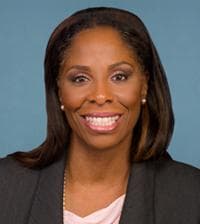
- Stacey Plaskett
- Cosponsors
- - 1 - 0
- Introduced
- In Committee
A House resolution is the House speaking for itself: stating a position, honouring someone, or setting its own rules. Adopting it is the whole process. Once the House agrees to it, it is officially the House's word; it is not a law, so the Senate and the President have no part in it.
What this bill would do
This resolution seeks to reaffirm the founding principles of the United States as the nation marks 250 years of independence. It addresses the status of more than 3,600,000 residents living in United States territories and commonwealths. The resolution highlights that these residents are currently unable to fully participate in political, economic, environmental, and cultural governance. It specifically critiques the Insular Cases for creating a gap between American ideals and the lived realities of those in the territories. Finally, the resolution expresses support for democracy, fair treatment, and the right to self-determination for all people in these jurisdictions.
Yes· 3 of 8
Does this protect the right to vote?+7
The resolution addresses the denial of the right to vote in Federal elections for those in US territories.
Does this narrow racial gaps in how people are treated?+6
The resolution rejects the racist reasoning of the Insular Cases used to deny rights to territorial residents.
Is this likely to lift people out of poverty?+5
The resolution notes that residents are denied access to critical programs like SNAP and SSI.
The opposite
No question was scored the opposite.
Who it would affect, and how
Potential Positive Impacts for People
-
Support for Self-Determination: The resolution supports the right to self-determination, democracy, and fair treatment for all people living in United States territories and commonwealths (Resolution Section 1).
-
Application of Equality Principles: It reaffirms that the principles that all are "created equal" and that governments derive power from the "consent of the governed" should apply with full and equal force to residents of territories and commonwealths (Resolution Section 2).
-
Rejection of Discriminatory Precedent: The resolution rejects the racist reasoning of the Insular Cases, which the text states has been used to normalize the denial of basic democratic rights (Resolution Section 3).
Potential Negative Impacts for People
- No Specific Negative Impacts Identified: The provided text does not list specific provisions that would result in negative consequences or burdens for individuals or groups.
Groups and Interests Ranking
Every group the model scored this bill for, from -10 to +10. Hover a score for the reason it gave.
- Social Issues And Justice
- Improves Voting Rights+7Improves Racial Equity+6Improves Poverty Reduction+5
- Demographic And Interest Groups
- Good For Low Income Households+5Good For Hispanic Americans+4Good For Immigrants+2
- Governance And Ideology
- Increases Federal Power+5
- Healthcare
- Increases Medicaid Funding+5
- 7/2/2026
- Submitted in House
- Referred to the House Committee on Natural Resources.
- 1 Cosponsor added.
 Pablo Hernández
Democrat · Puerto Rico